


Since 1977: Your rug specialist
Tradition, expertise & verified quality
 GB
Discover exclusive hand-knotted silk rugs at Morgenland. Since 1977 we have offered oriental masterpieces made of the finest natural silk – from classic to modern.
… Products
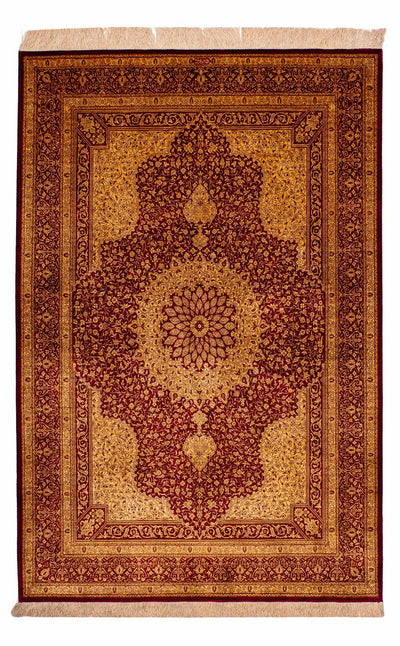
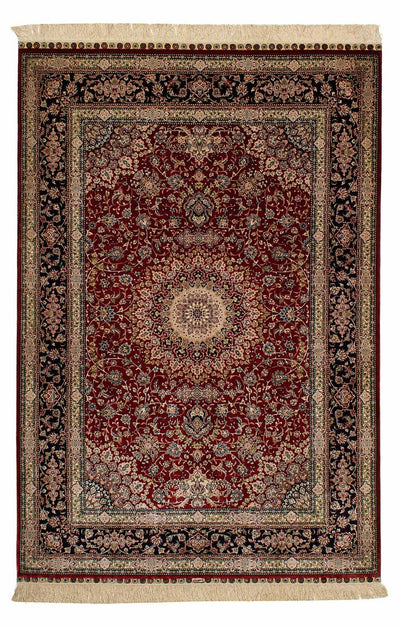
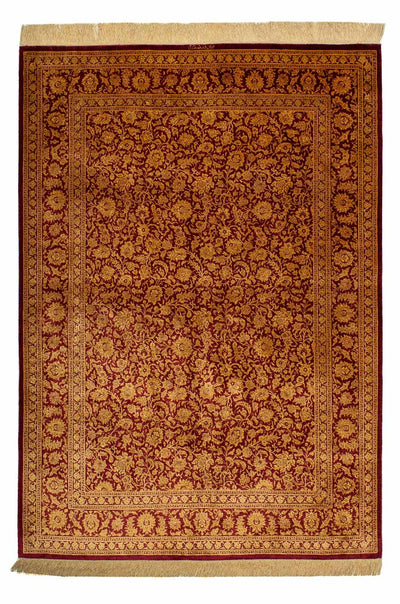
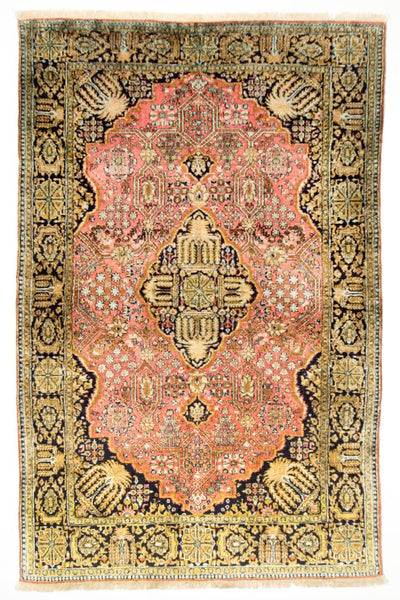
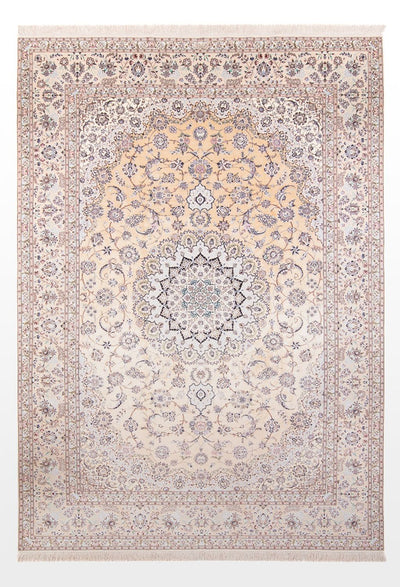
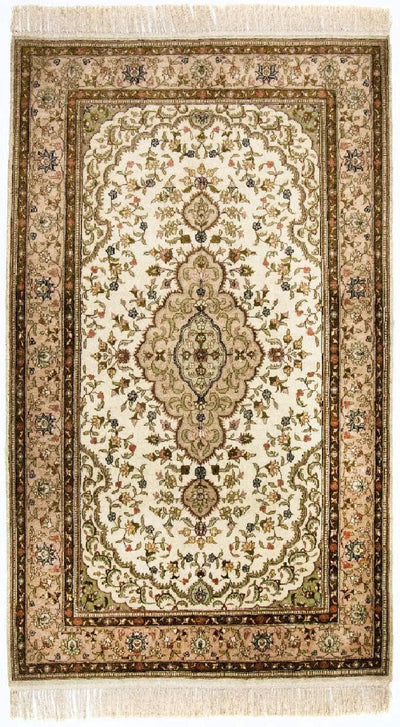
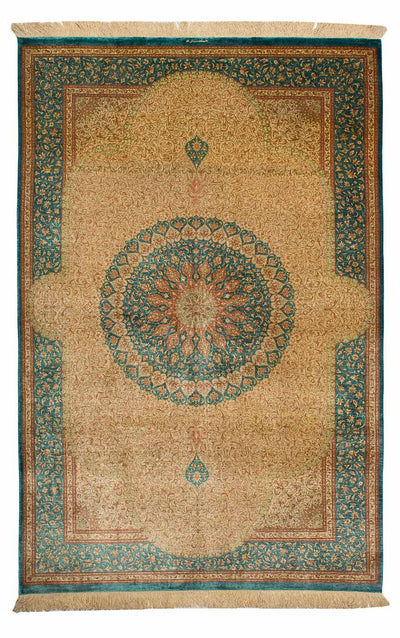
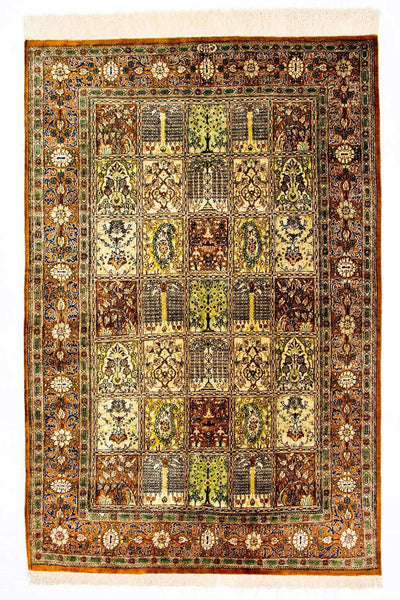

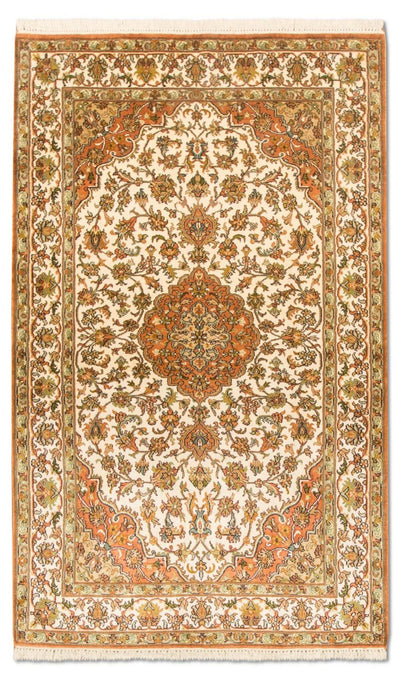
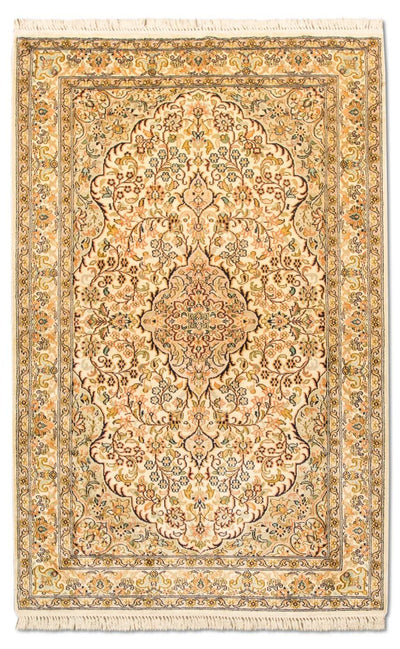
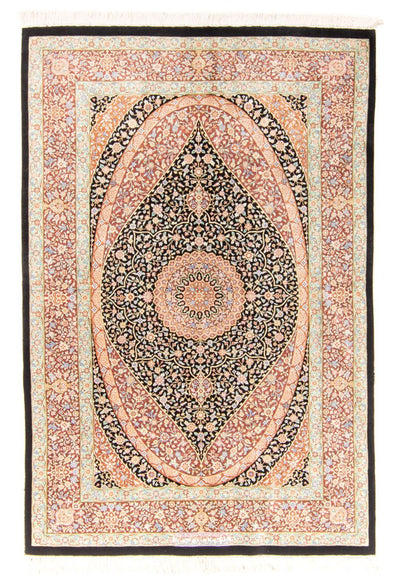
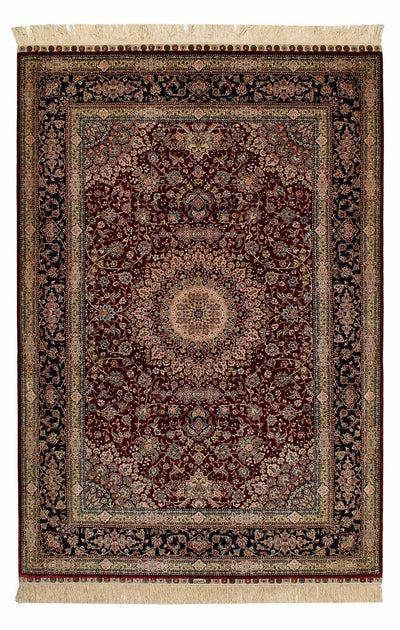
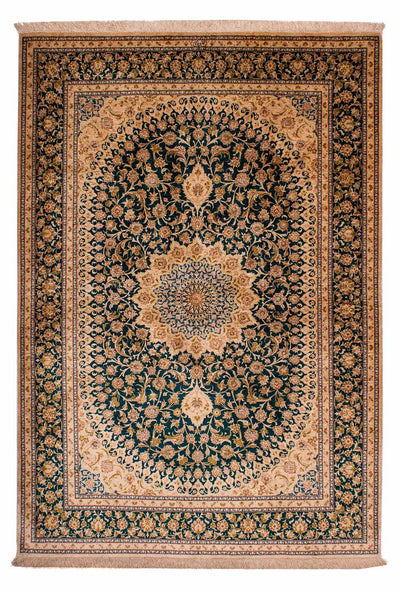
Silk rugs are among the most precious masterpieces of craftsmanship, combining thousands of years of tradition with incomparable elegance. At Morgenland you will find an exclusive selection of hand-knotted silk rugs that enrich your home with timeless luxury.
The history of silk rugs goes back almost 5,000 years and is closely linked to the legendary Silk Road. Even then, these precious works of art were a symbol of wealth and exclusivity. Oriental rugs made of pure natural silk traditionally come from various regions of Asia and the Orient, where they are still made painstakingly by hand today. Every silk rug is a one-of-a-kind piece that carries the stories of its knotters and their culture.
Silk production is a complex process: silkworms produce the finest silk fibres for their cocoons. Up to 20 of these cocoons are unwound at the same time and spun into a single thread. This elaborate production explains why rugs made of natural silk are among the most sought-after luxury goods in the world. The characteristic surface of silk reflects light in a unique way and creates the noble sheen that makes these rugs so unmistakable.
Only the finest materials are used in a high-quality silk rug. The natural silk used usually comes from Kashmir, Qom or China. While pure silk rugs consist of 100% silk in warp, weft and pile, there are also versions with carefully balanced material blends. Combinations with fine wool are particularly popular, as they combine excellent colour properties with the feel of silk.
Knot density is the decisive quality feature: the fine silk fibres allow up to 1,000,000 knots per square metre. In particularly exclusive pieces, densities of up to 6,000,000 knots per square metre are even possible – that is around 600 knots per square centimetre. This exceptional density ensures incomparable precision of detail and makes the most delicate patterns possible. The work requires years of experience and is often carried out by the most talented knotters.
Unlike synthetic fibres or viscose, natural silk is a noble natural fibre with special properties. The structure of the silk fibres gives the material its characteristic softness and suppleness. At the same time, silk is surprisingly robust and hard-wearing – with good care, a hundred years of use is not unusual.
The designs of silk rugs range from traditional oriental patterns to modern compositions. Classic motifs show floral ornaments, geometric shapes or medallions in impressive detail. The high knot density allows the most delicate depictions, which look as if they were painted. Many high-quality pieces bear the signature of their workshop – a sign of particular quality and provenance.
The colours show the full variety: everything is possible, from soft pastel shades and natural earth tones to bright, strong hues. Beige and grey create timeless elegance, while red and blue set powerful accents. The brilliance of the colours is intensified further by the light-reflecting properties of silk. Depending on the light and the viewing angle, the colours change – a fascinating play that brings any room to life.
Modern designer collections combine classic elements with contemporary aesthetics. The patterns range from pared-back, minimalist compositions to opulent, richly detailed designs. Each design tells its own story and gives your living space an individual style.
Silk rugs are available in numerous formats. The most common sizes for rectangular rugs start at a compact 40 x 60 cm for decorative accents. Medium formats such as 150 x 200 cm or 170 x 240 cm are ideal for living areas. Generous dimensions of up to 300 x 400 cm create an impressive effect in the room.
Besides rectangular formats, silk rugs also come in other shapes. Runners with their narrow length are ideal for hallways and passageways. Square formats bring harmonious proportions to a room, while round versions set special accents. The size should always suit the architecture and furnishing of the room.
Thanks to the wide choice of formats, you will find the right size for almost any room. In our online shop you can filter specifically by dimensions and shapes, so that your rug fits your interior perfectly.
A silk rug shows off its effect in a wide variety of living areas. In the living room it becomes the central eye-catcher and creates a luxurious ambience. Placed under a coffee table or as a large floor covering, it defines the seating area and invites you to linger. Its soft feel makes every step a special experience.
In the bedroom, silk rugs create an atmosphere of calm and elegance. Their soft surface feels pleasant underfoot and heightens the sense of comfort. In the dining room, too, they set stylish accents, although the right care is important here. As a wall hanging, their artful designs come into their own – a popular alternative to use on the floor that presents the work of art perfectly.
The choice of a particular room depends on your personal preferences. In representative areas, silk rugs underline the refined character of the setting. In private retreats, they create a special feel-good atmosphere. What matters is that the rug has enough space to unfold its effect.
Silk is a delicate material, but with the right care silk rugs stay beautiful for decades. Regular vacuuming – at least once a week – removes dust and dirt particles. Always vacuum in the direction of the pile, never against it. Use a medium suction setting without a brush attachment to protect the fine silk fibres. This simple routine preserves the beauty of your rug for years.
For small stains, a lint-free cloth with lukewarm water helps. Dab the stain carefully without rubbing – this avoids damaging the structure. You can restore pressure marks with a slightly damp cloth in the direction of the pile. For heavier soiling, professional cleaning by specialists in silk rugs is recommended.
To prevent uneven wear, you should turn your rug every six months – by 180 degrees for rectangular formats, by 90 degrees for square ones. Avoid direct sunlight for long periods, as UV light can fade the colours. With these simple measures, your silk rug will remain a treasure for generations.
Several factors play a role when choosing a silk rug. Knot density indicates the quality and the effort involved. High-quality pieces have at least 400,000 knots per square metre, and top qualities reach significantly more. Check the back: on genuinely hand-knotted rugs, the pattern is clearly visible. The edges should be neatly finished and firm.
Pay attention to the material description: pure silk rugs consist of 100% natural silk, while blends may also contain wool. Both have their advantages – pure silk offers maximum sheen, while silk-wool blends combine the benefits of both materials. Fold the rug slightly to check whether the material springs back smoothly – a sign of genuine silk.
The price depends on knot density, size, material quality and origin. Oriental silk rugs from renowned workshops are investments that hold their value. Take your time making a decision and compare different pieces. Our team will be happy to explain the differences between the various qualities.
The most important production centres for silk rugs are in Asia and the Orient. China produces rugs with characteristic patterns and excellent silk quality. Chinese knotters often draw on Persian and Turkish traditions but also develop designs of their own. The workmanship reaches the highest level, with knot densities among the finest in the world.
India, especially the Kashmir region, is famous for exceptionally fine Kashmir silk rugs. The workshops there combine centuries-old tradition with contemporary interpretations. In Turkey, the cities of Hereke and Kayseri in particular are known for their silk production. Qom silk rugs from Iran are regarded as the epitome of Persian knotting art, with extremely high knot densities.
Persian silk rugs from regions such as Isfahan, Qom and Tabriz represent the pinnacle of rug knotting. Each region has developed its own characteristics in colour, pattern language and knotting technique. This geographical variety enriches the world of silk rugs and offers suitable options for every taste.
Since 1977, Morgenland has specialised in high-quality oriental rugs. Our range features a carefully curated selection of silk rugs from a wide variety of regions. Every piece has been selected by us personally and checked for quality. Our many years of experience guarantee you authentic rugs of verified origin.
We value personal advice. We take the time to understand your wishes and find the perfect piece for your home. We give well-founded answers to questions about care, origin or workmanship.
Our online shop lets you browse comfortably from home. Detailed product descriptions and images give a realistic impression. If you need more advice, we are available by phone or email. Discover the variety and beauty of genuine silk rugs in our range.
You can recognise genuine silk by several features: the material feels cool and smooth, has a characteristic sheen and is very supple. Run your hand over the pile – natural silk changes its colour intensity depending on the direction of the pile because of the way it reflects light. Check the back: on hand-knotted silk rugs the pattern is clearly visible and the knots are even.
The price depends on size, knot density, origin and material quality. Smaller rugs start in the mid three-figure range, while large-format masterpieces with a very high knot density can reach five-figure sums. A silk rug is an investment that holds its value and gives pleasure for generations. If you have questions about pricing, we will be happy to advise you individually.
Yes, despite their fineness, silk rugs are surprisingly hard-wearing. The high knot density and the robustness of the silk fibres make them suitable for everyday use. Many owners use their rugs on the floor and enjoy the soft feel when walking barefoot. Alternatively, you can display silk rugs as wall hangings – where their artful designs come into their own.
Regular vacuuming in the direction of the pile removes dust and preserves its beauty. Use medium suction without a brush attachment. Dab small stains with a lint-free cloth and lukewarm water. Turn the rug every six months to avoid uneven wear. For heavier soiling, professional cleaning by specialists is recommended.
Blends of silk and wool combine the advantages of both materials. The wool takes colour intensely and provides durability, while the silk content contributes the characteristic sheen and soft feel. Such combinations offer a balanced mix of elegance and suitability for everyday use. A silk content of 50–70% is enough to create the typical look of a silk rug.
Different regions have developed their own traditions and quality characteristics. Persian cities such as Qom and Isfahan are famous for extremely fine knot densities and classic designs. Turkish Hereke rugs combine tradition with technical perfection. Indian Kashmir rugs impress with their delicate patterns. Chinese workshops produce silk rugs at the highest technical level. Each origin has its particular strengths.
High-quality, hand-knotted silk rugs from renowned workshops hold their value. The elaborate production, the materials used and the limited availability of genuine craftsmanship secure their value. One-of-a-kind pieces with a high knot density and signed provenance in particular can increase in value. What matters is quality, condition and proper care over the years.
Tradition, expertise & verified quality
Shop without risk
Simple & convenient home delivery
The right rug for every style
£29.00