


Since 1977: Your rug specialist
Tradition, expertise & verified quality
 GB
High-quality rugs made from pure new wool. Natural, climate-regulating and durable. A large selection since 1977 (in Hamburg since 2007). Personal advice and sample service included.
… Products
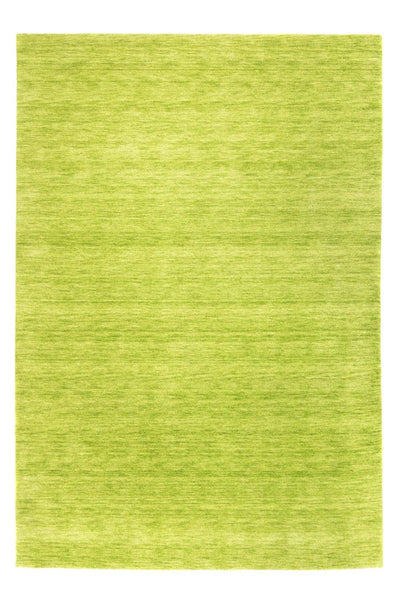
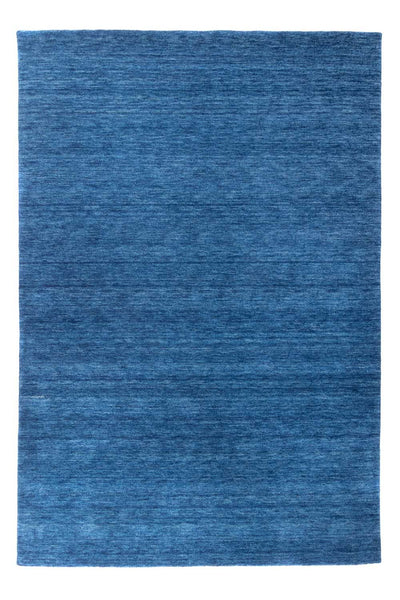
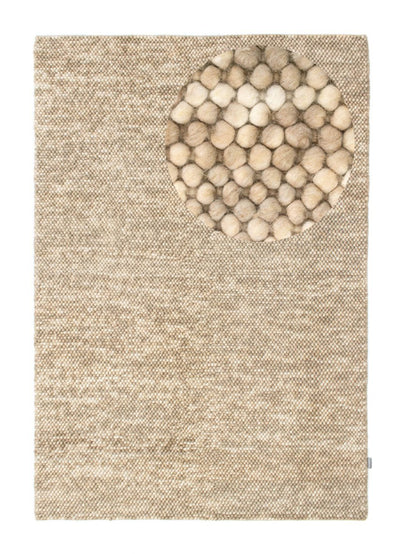
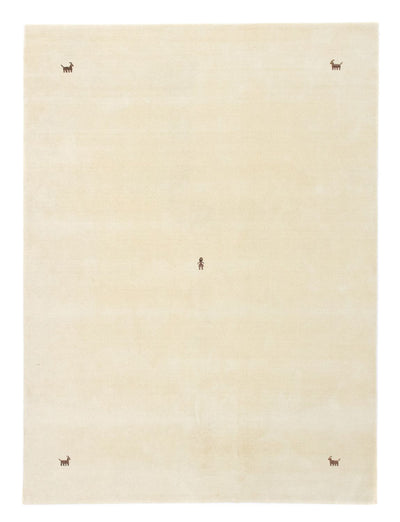
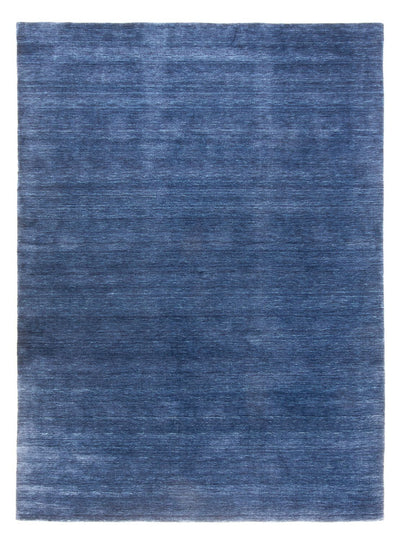
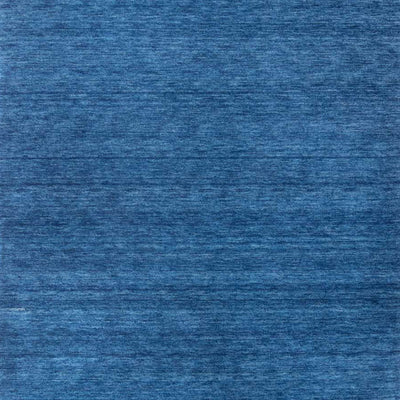
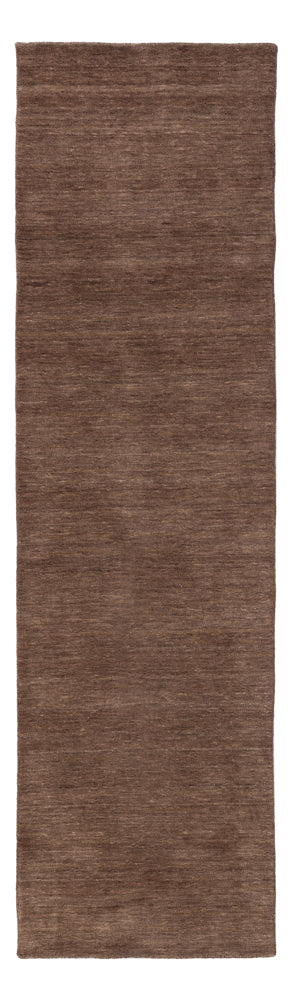
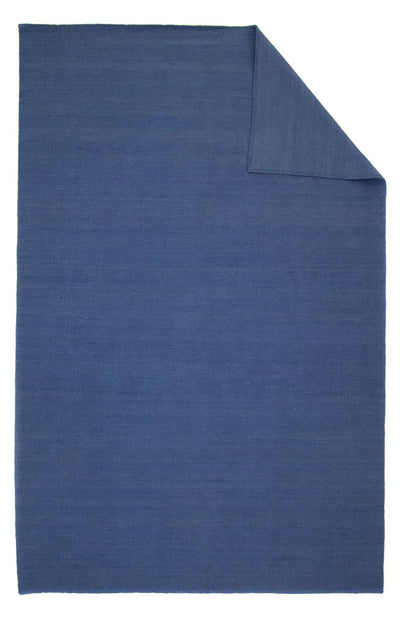
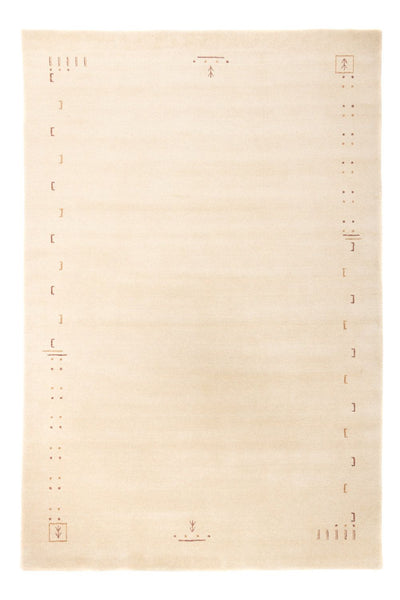
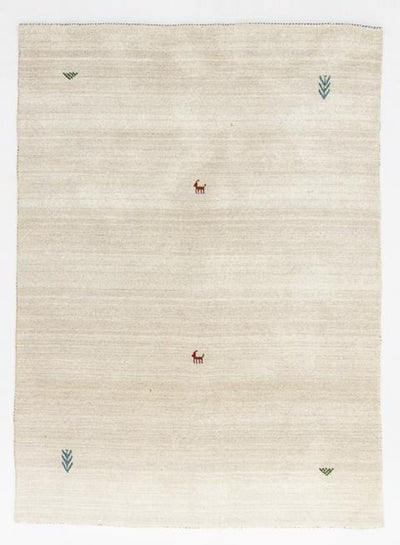
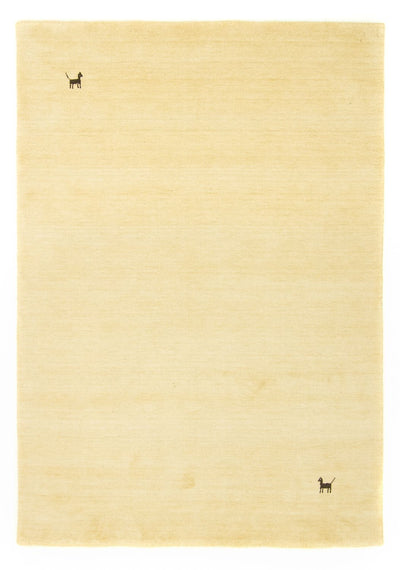
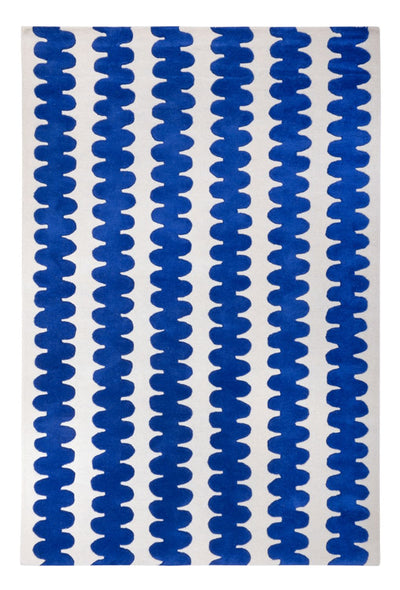
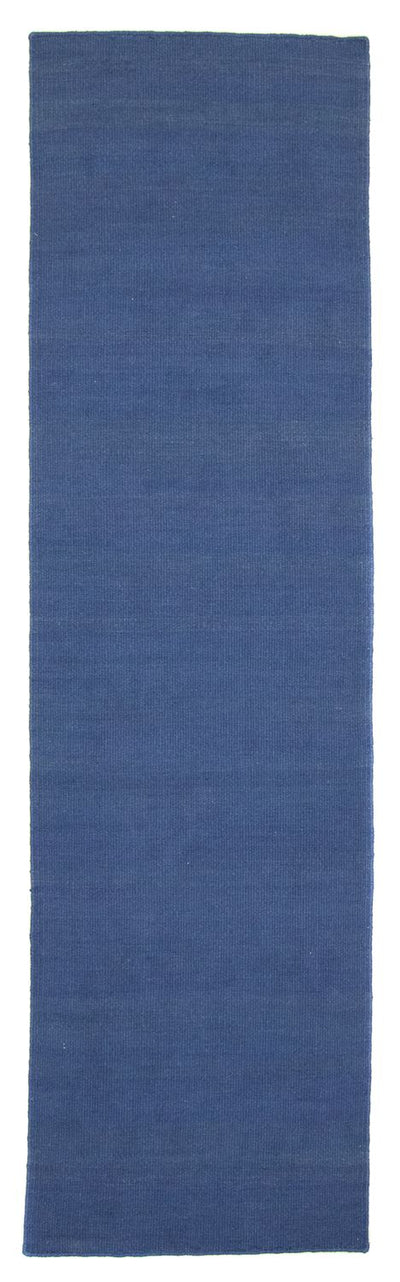
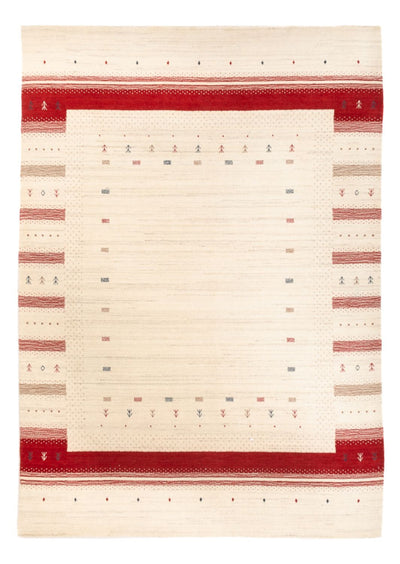
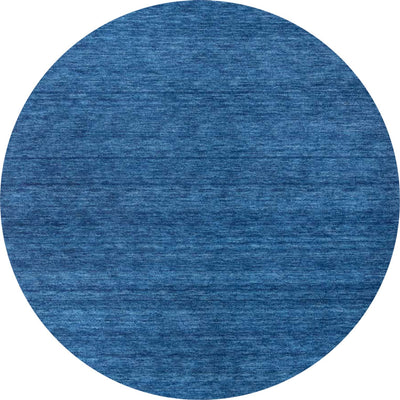
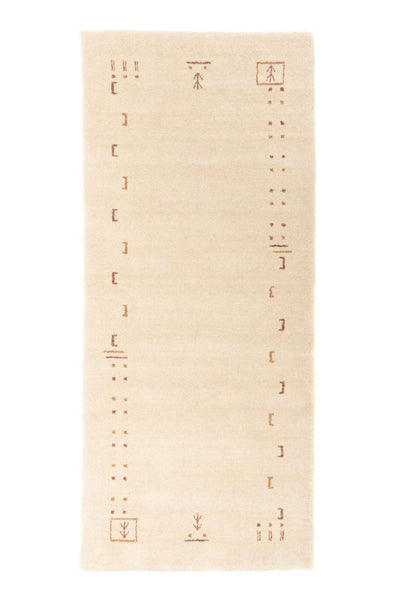
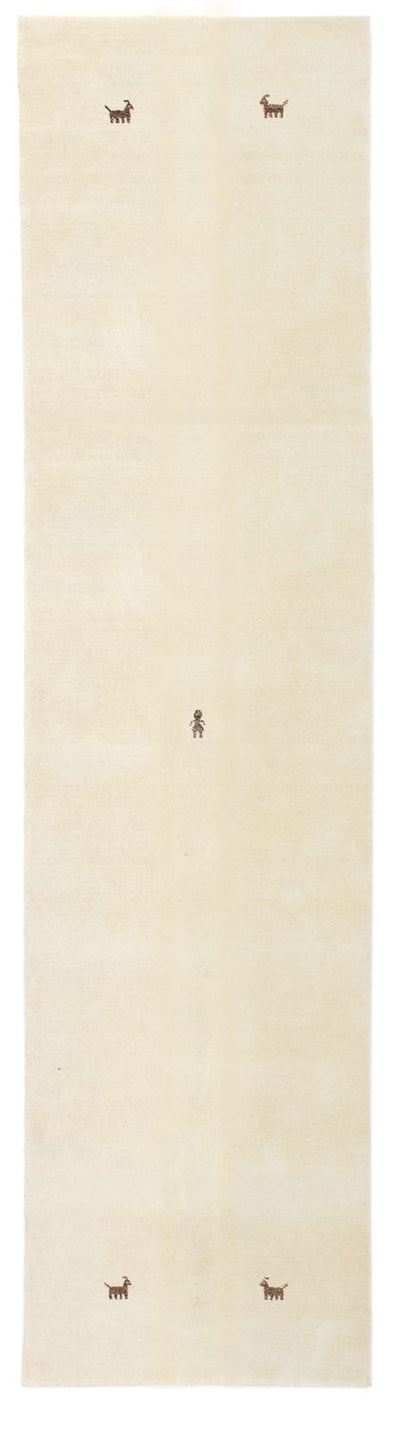
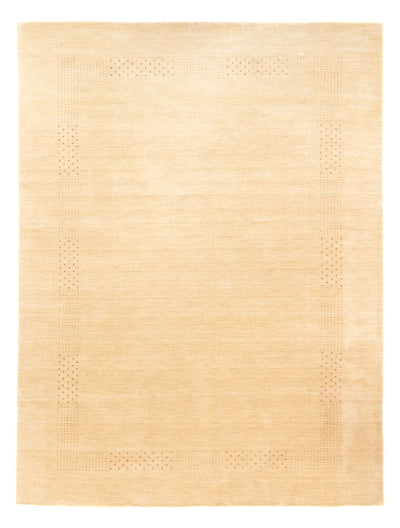
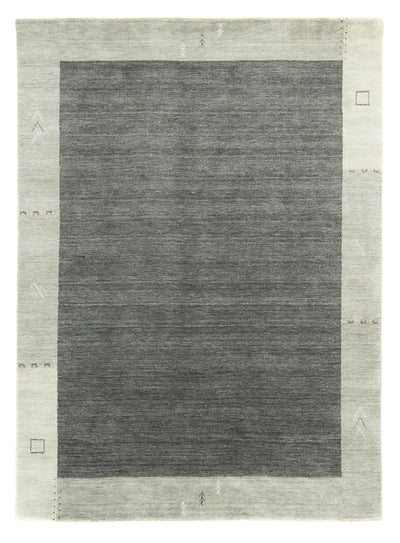
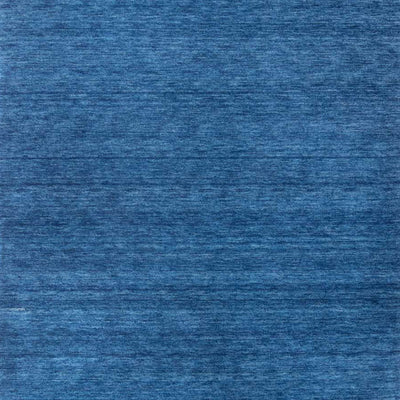
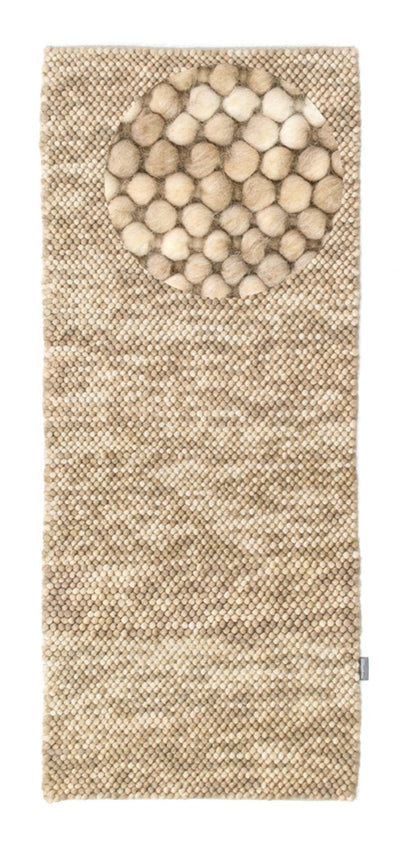
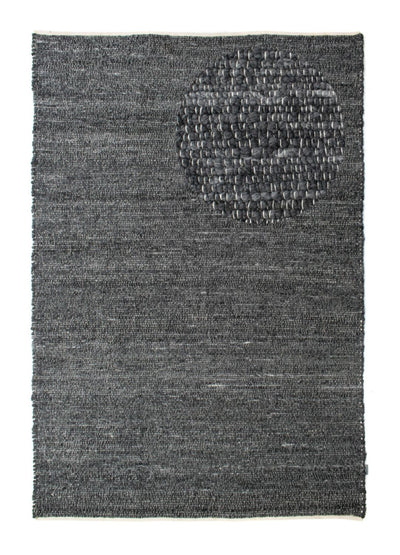
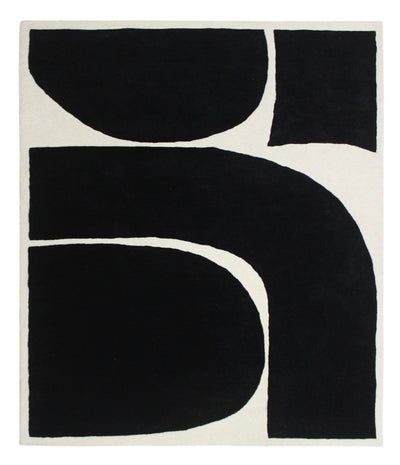
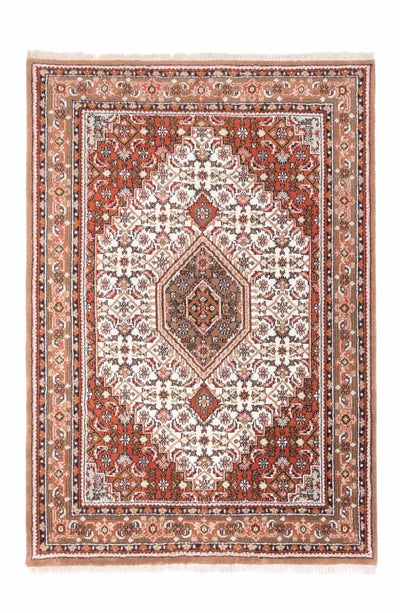
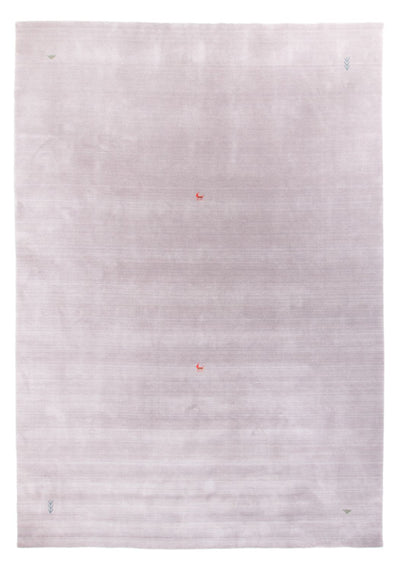
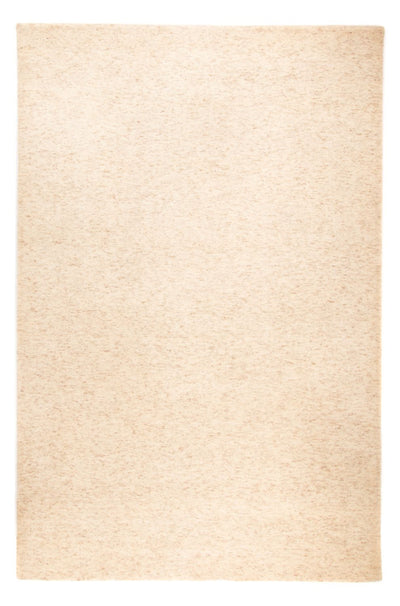
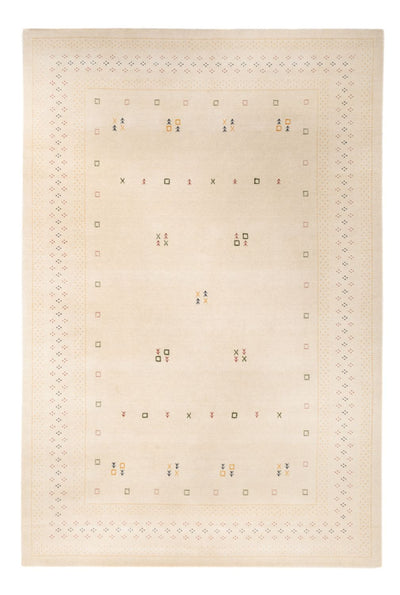
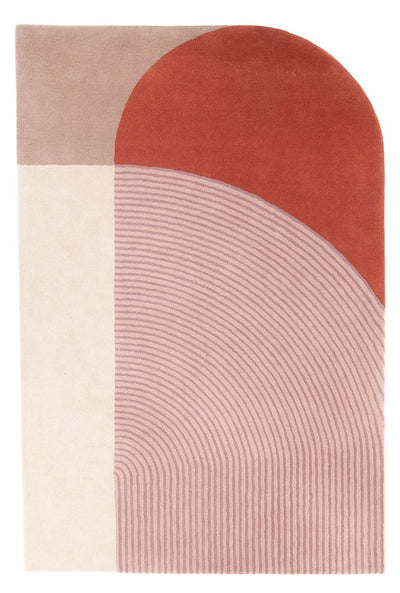
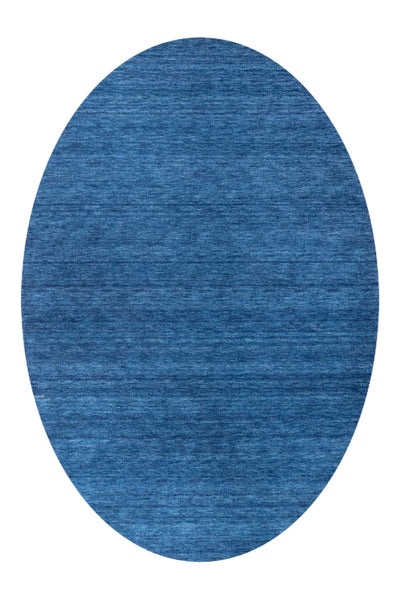
A virgin wool rug combines natural materials with timeless design and creates a cosy indoor climate. Virgin sheep’s wool is a high-quality natural fibre that provides warmth, regulates moisture and binds dust. Since 1977 (in Hamburg since 2007), we have offered a carefully curated selection of wool rugs for discerning interiors.
Virgin wool comes from living sheep and is obtained by shearing. This natural fibre has a tradition in rug-making that goes back thousands of years. From the nomadic peoples of Central Asia to the weaving mills of Europe, craftspeople have valued the properties of wool. A wool rug made of pure virgin sheep’s wool has an elastic structure that springs back after pressure. The fibres have a natural crimp that provides volume and longevity.
Unlike synthetic materials, virgin wool actively regulates the indoor climate. It can absorb up to 30 per cent of its own weight in moisture without feeling wet. Thanks to lanolin, it also cleans itself naturally. This property makes natural rugs particularly suitable for living spaces where a balanced climate is desired. The surface feels warm, retains heat efficiently and, as a natural product, is free from chemical or toxic additives.
High-quality rugs are made from virgin sheep’s wool of various origins. New Zealand wool is considered particularly fine and hard-wearing. Owing to the harsh climate, Tibetan highland wool offers a dense, robust fibre. Quality depends on the breed, the climate and the shearing. The raw wool is washed, sorted and loosened; it is then carded and freed of impurities. The loosened wool is spun into yarn.
In production, we distinguish between hand-knotted and hand-woven versions. A hand-woven rug is made on traditional looms, on which warp threads are stretched lengthways and weft threads are woven in crossways. This technique produces flat, hard-wearing surfaces. Hand-knotted rugs, on the other hand, are created by knotting individual wool threads into the warp; the pile consists of 100% virgin sheep’s wool. The knot density is typically between 100,000 and 400,000 knots per square metre.
Modern manufacturers such as Tisca from Switzerland combine traditional craftsmanship with contemporary designs. The brand has been making high-quality products from pure virgin wool for decades and relies on sustainable production methods. Every item undergoes several quality checks before it goes on sale.
The design options range from traditional patterns to modern plain surfaces. Classic designs feature geometric shapes, floral motifs or abstract compositions. The colour of a rug comes either from naturally coloured wool or from gentle dyeing processes using plant-based or chrome-based dyes.
Natural rugs in beige or cream suit almost any interior style and create a calm foundation. Strong shades such as red, blue or green add accents and bring liveliness to the room. Subtle grey tones look elegant and timeless.
Plain designs without a pattern are becoming increasingly popular. They allow flexible interior design and can be combined with various furniture styles. The texture of the wool itself creates a lively surface, even without an elaborate pattern. Different pile heights create subtle reliefs that change with the light.
Virgin wool rugs are available in numerous standard sizes. Small formats from 40 x 60 cm work well as accents in front of chests of drawers or in entrance areas. Medium sizes such as 150 x 200 cm or 170 x 240 cm fit under coffee tables or define seating areas.
Large rugs measuring 200 x 300 cm or 250 x 350 cm create a continuous floor area and are suitable for spacious living areas. For prestigious rooms, formats up to 300 x 400 cm are available. Depending on the knotting technique, the pile height varies between 8 and 25 millimetres.
In addition to rectangular formats, we also offer square rugs, runners for hallways as well as round and oval versions, whose shape also influences how they can be used in a room. Custom-made sizes are available on request; you can send us your individual length and width requirements. Our sample service lets you check rug samples of various items at home beforehand.
In the living room, a wool rug creates a cosy atmosphere and defines areas for relaxing. The natural warmth of virgin wool invites you to walk barefoot. Placed under seating, the rug reduces footfall noise and improves the room’s acoustics. In the living area, it also provides extra warmth and comfort on different floors. In open-plan living spaces, it visually separates different functional areas.
The bedroom benefits from the climate-regulating properties of the natural fibre. Virgin wool absorbs moisture and releases it slowly, which contributes to a balanced sleeping climate. The soft surface feels pleasant underfoot. Light shades promote a calm mood.
In dining areas, the rug should be large enough for all chair legs to remain on it even when the chairs are pulled out. Dark or patterned versions are easier to care for than light plain rugs. The natural dirt-repellent properties of wool make cleaning easier. Depending on use, hard-wearing woven qualities are particularly suitable for heavily used spots in the home.
Regular vacuuming removes loose dust and prevents dirt particles from penetrating deep into the fibres. You should also turn the rug by 180° about every 3 months so that it wears more evenly. In the first few weeks after purchase, a new rug may shed slightly, which is normal for natural materials. Use a vacuum cleaner without a rotating brush or set the brush to its highest setting; ideally with a smooth nozzle.
Act quickly when stains occur: dab liquids immediately with an absorbent cloth without rubbing. Thanks to lanolin and the natural self-cleaning effect of wool grease, smaller stains on virgin wool often fade by themselves over time. Solid dirt can be carefully brushed off once it has dried. For stubborn stains, professional rug cleaning is recommended. Avoid aggressive cleaning agents that could damage the natural fibre.
The rug should be cleaned thoroughly once a year. Professional cleaning companies use gentle processes tailored to natural materials. For light soiling, dry cleaning with a special powder is often sufficient. After wet cleaning, make sure the rug dries completely to prevent mould.
The quality of a virgin wool rug shows in several characteristics. First check the density: the more knots or weft threads per square centimetre, the more hard-wearing the product. High-quality hand-woven rugs have an even, firm structure with no loose threads. The most important thing when choosing a material is robust workmanship on a long-lasting fibre base. With hand-knotted versions, the pattern should be clearly visible on the back.
The price depends on the material, the effort of production and the size. Machine-made virgin wool rugs start at around 80 euros per square metre. Hand-woven pieces cost between 150 and 400 euros per square metre. Hand-knotted one-of-a-kind pieces with a high knot density reach prices from 500 euros upwards. A fair price reflects the working time invested and the quality of the material. With good care, virgin wool rugs typically last between 10 and 25 years.
Look for details of origin and certificates. Reputable suppliers state the country of production and the materials used transparently. Discount promotions or a comparison with the recommended retail price help you assess the price. Do not be deceived by unrealistically low prices, which often indicate inferior blended fabrics or synthetic fibres. Synthetic rugs are made from petroleum-based raw materials; this is where the material-related advantages of virgin wool clearly stand out.
If you are unsure, order samples first. Our sample service sends you cuttings so that you can check colour, texture and feel before ordering. This way you avoid bad buys and find the rug that suits your room perfectly.
Since 1977, we have stood for expert advice and a curated selection of high-quality rugs. In our Hamburg showroom, we present a wide variety of natural rugs made of virgin wool, sisal and other materials. Our experience since 1977 enables us to judge quality reliably and offer only products that meet our standards.
We work with selected manufacturers and partner manufactories that cultivate traditional craftsmanship and guarantee fair production conditions. Every item in our range undergoes a careful inspection before it is added to our range. With us you will not find mass-produced goods, but individually selected pieces with character.
Our service includes personal advice in the showroom, by telephone or by email. You can reach us at the email address provided and will receive prompt answers to all your questions about rugs, sizes, colours and care. We help you find the right rug for your requirements. A digital filter on our website makes it easier to pre-select by size, colour, style and price.
In addition, we regularly offer promotions and a newsletter that keeps you informed about new arrivals and special offers. A gift voucher is the ideal present for rug lovers. We process orders without fuss: select your products, place them in the basket and complete your purchase securely. We ship throughout Germany and beyond.
Besides virgin wool, sisal, jute, cotton and silk are among the most common natural fibres in rug-making. Each fibre has its own specific properties. Sisal is extremely robust and suitable for heavily used areas, but it feels cooler and rougher than wool. Jute is inexpensive and ecological, but less hard-wearing. Synthetic alternatives, by contrast, are often based on polypropylene or other plastics.
Cotton is often used for flatweaves and kilims and is easy to care for and washable, but offers less warmth than virgin wool. Silk gives rugs a refined sheen and allows fine patterns, but it is more expensive. Virgin wool combines durability, warmth and natural ease of care, which makes it an all-rounder for a wide variety of living situations – especially for anyone who appreciates a high-quality natural material and more naturalness at home.
In practice, some manufacturers combine different materials. Rugs with a cotton warp and a virgin wool pile combine stability with comfort. Blends of wool and silk create luxurious surfaces with shimmering accents. Pure virgin wool rugs, however, remain the first choice for anyone who values a natural indoor climate and long-lasting quality.
Virgin wool is a renewable natural fibre that is biodegradable. Sheep are shorn every year without being harmed. The wool grows back and is available in regular cycles. Compared with synthetic fibres made from petroleum, virgin wool is considerably more environmentally friendly.
Producing wool rugs requires less energy than manufacturing synthetic fibre rugs. Natural dyes from plants or minerals place hardly any burden on the environment. Modern dyeing processes using chrome mordants are strictly controlled and comply with European standards. Look for certificates such as Woolmark or OEKO-TEX, which guarantee quality tested for harmful substances.
At the end of their service life, wool rugs can be composted or used for energy recovery. They leave behind no persistent microplastic particles of the kind produced by synthetic materials. Anyone who values sustainability makes a responsible choice with a rug made of pure virgin wool. Longevity also contributes to the environmental balance: a high-quality wool rug can last for decades.
Vacuum the rug regularly, ideally twice a week, to remove dust; it is best to use a smooth nozzle. If stains occur, dab liquids immediately and avoid rubbing. You should also turn the rug by 180° about every 3 months so that it is used evenly. A professional clean tailored to natural fibres is recommended once a year.
The price depends on size, production method and knot density. Machine-woven products start at around 80 euros per square metre. Hand-knotted one-of-a-kind pieces cost from 500 euros upwards. Quality and longevity justify the investment.
Virgin wool binds dust in the pile. It is naturally antistatic and attracts fewer particles than synthetic fibres. Regular vacuuming removes the dust reliably; for a thorough clean, professional rug cleaning is recommended.
When burnt, genuine virgin wool smells of horn and leaves a brittle ash. Synthetic fibres melt and smell of plastic. Reputable retailers provide transparent information on materials. Look for the Woolmark label for guaranteed pure virgin wool.
In the living room, the rug should be large enough for at least the front legs of all seating to stand on it. In the dining area, it must offer enough space even when the chairs are pulled out. Measure the room beforehand and allow for distances to the wall. If you use an underlay, its length and width should each be slightly smaller than the rug so that nothing sticks out.
Yes, virgin wool rugs are generally suitable and provide pleasant warmth on many floors, including over underfloor heating. Choose a moderate pile height of no more than 15 millimetres so that the heat can pass through efficiently. High-pile versions insulate more and reduce the heating output. Ask about suitable products when you buy.
Light soiling can be treated with a damp cloth and a mild wool detergent. Loose dirt should be removed regularly, but thanks to the natural self-cleaning effect, smaller stains often do not need intensive treatment straight away. Avoid soaking the rug. For thorough cleaning and stubborn stains, it is better to hire a specialist company with experience of natural fibres. This keeps the quality intact in the long term.
Tradition, expertise & verified quality
Shop without risk
Simple & convenient home delivery
The right rug for every style
£29.00