Since 1977: Your rug specialist
Tradition, expertise & verified quality
 GB
Discover sustainable jute rugs at Morgenland: natural fibres, robust quality and timeless design for your home. Since 1977.
… Products
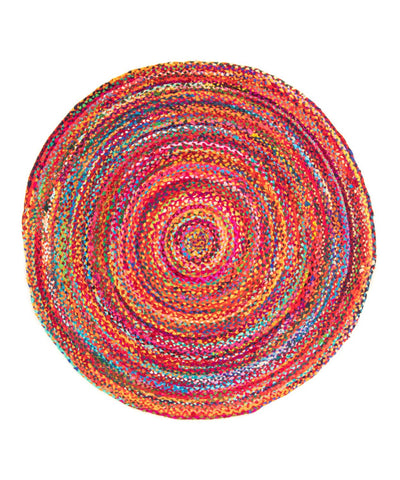
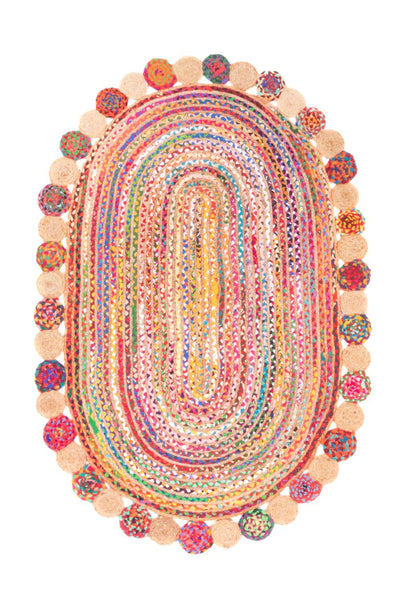
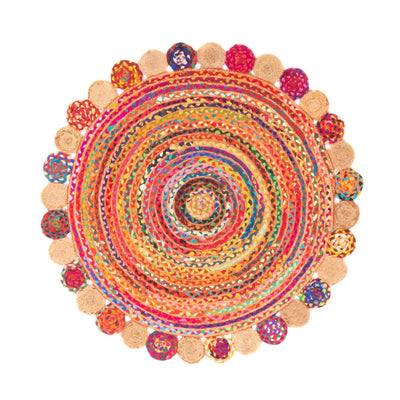
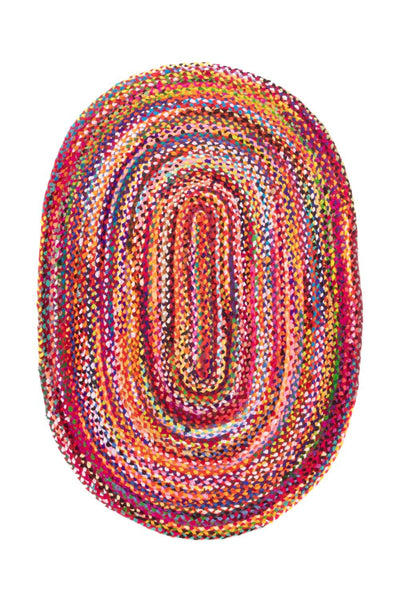
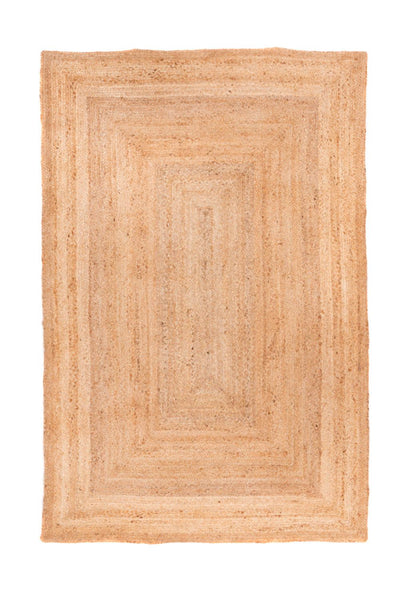
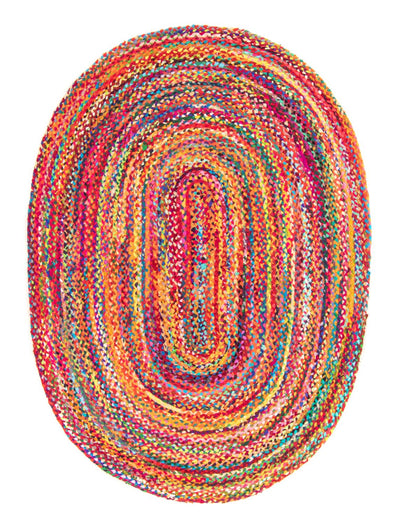
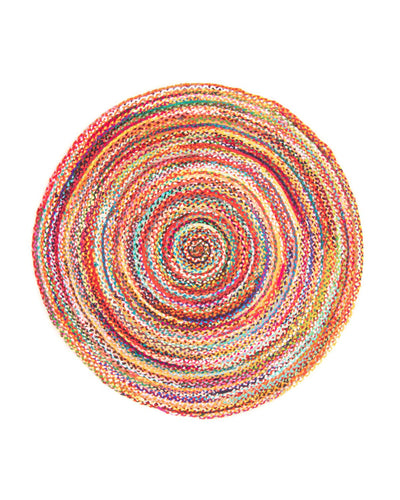
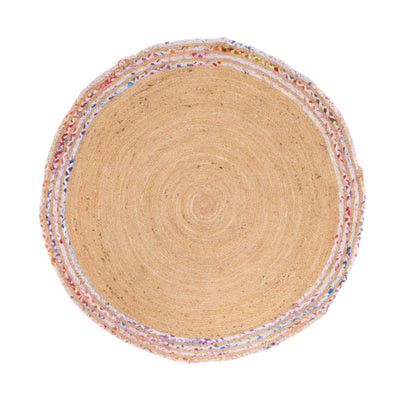
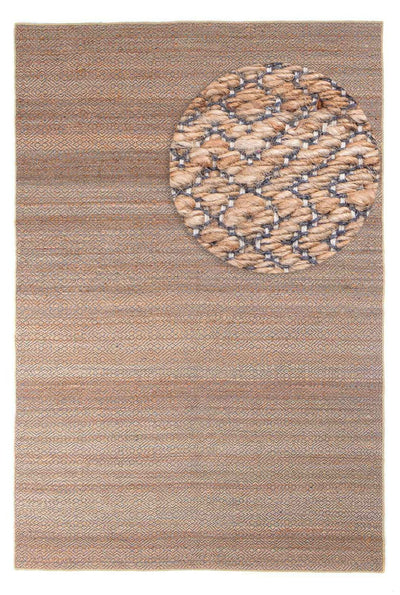
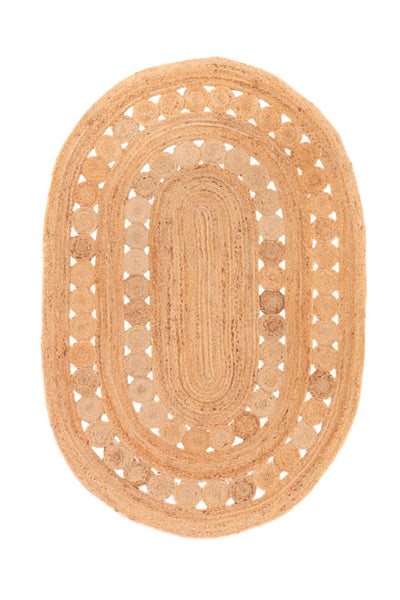
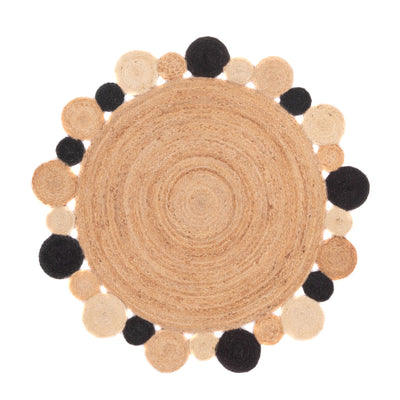
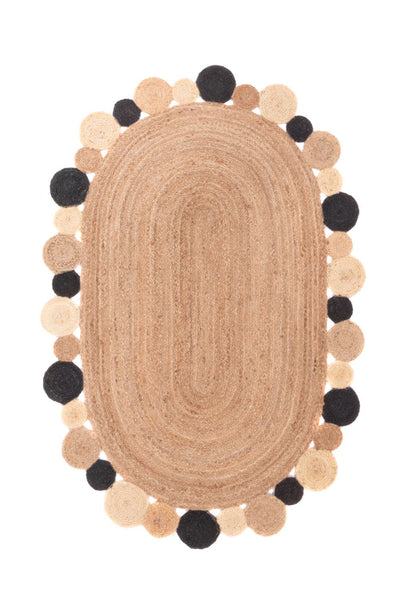
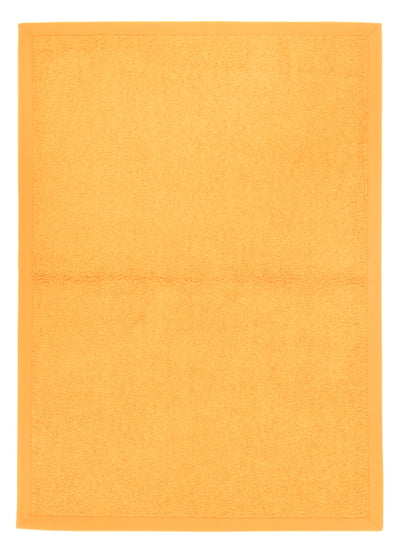
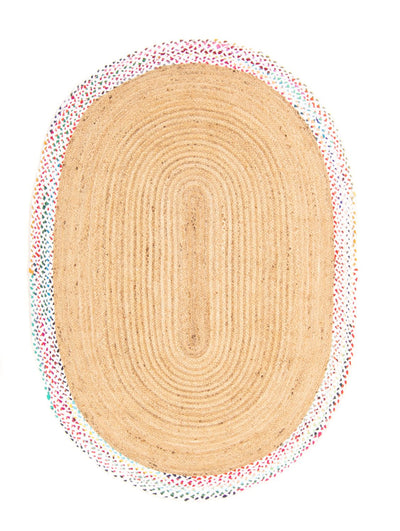
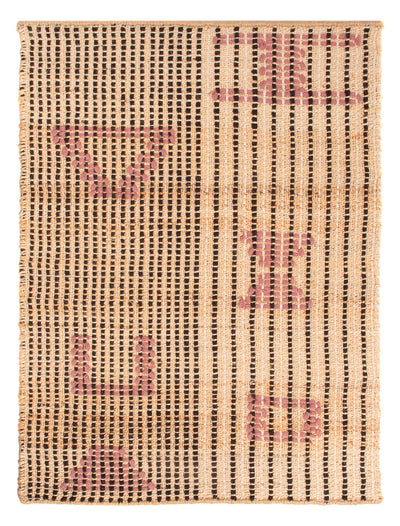
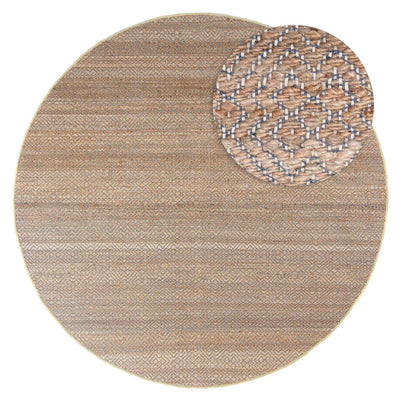
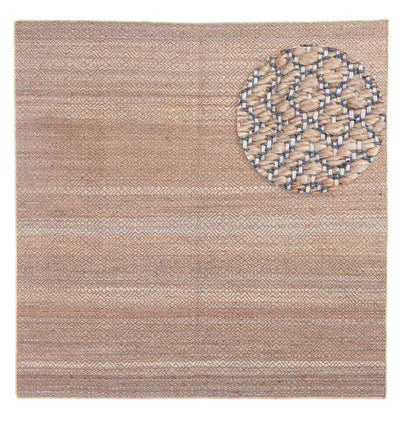
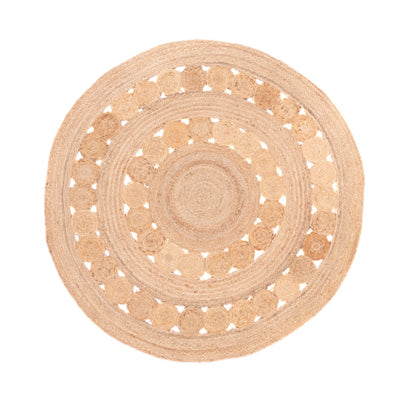
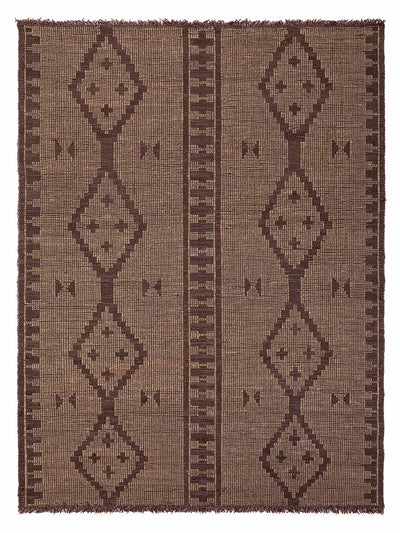
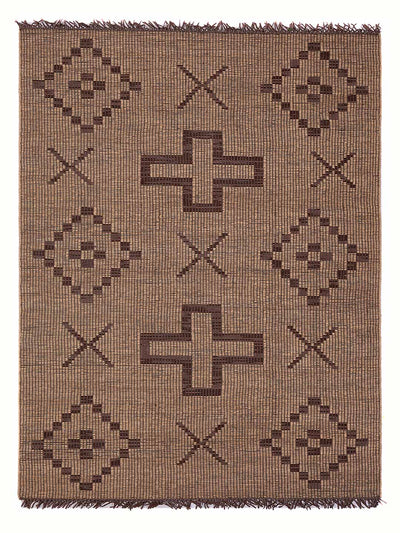
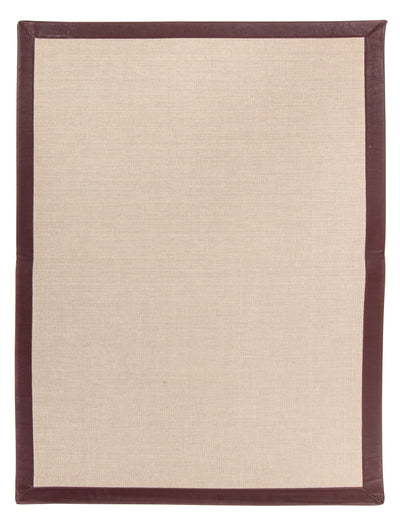
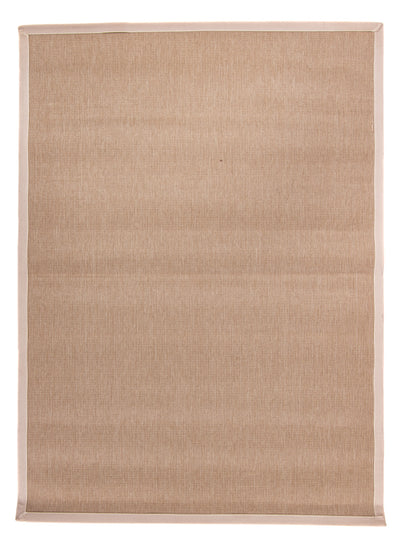
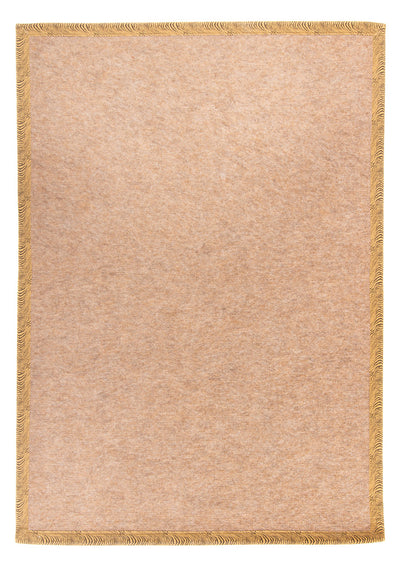
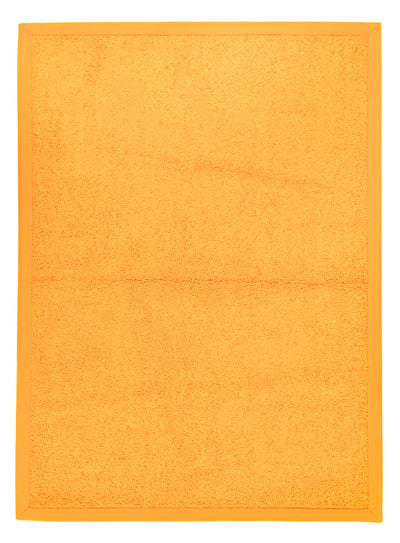
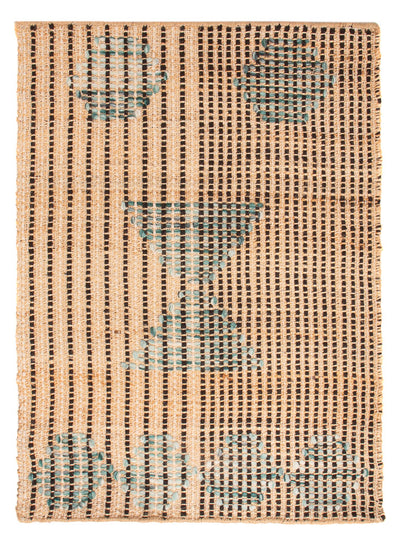
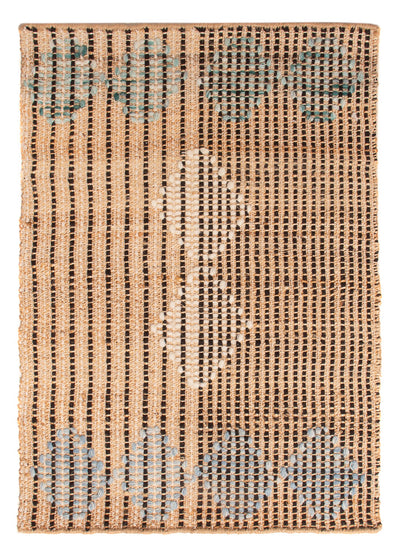

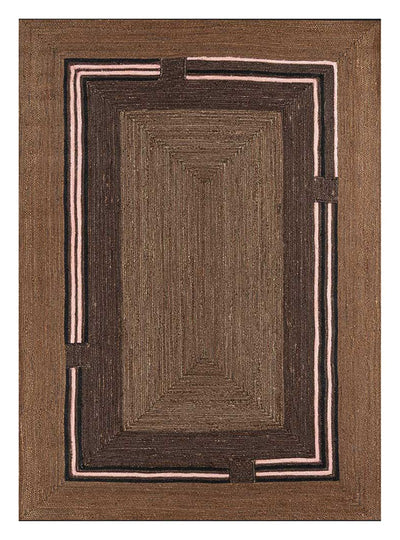
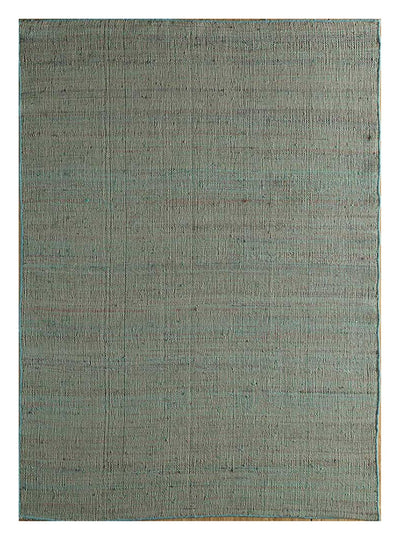
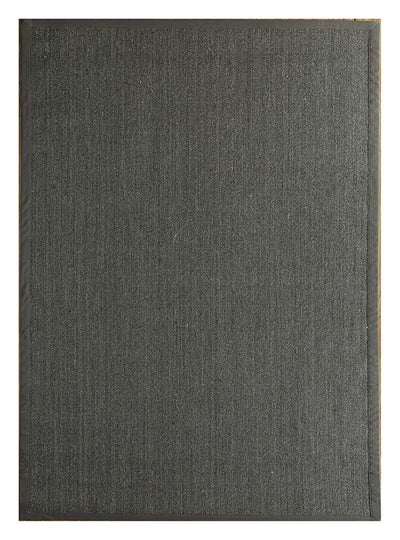
Jute rugs combine a natural look with practical robustness and create a warm atmosphere in any room. As a sustainable alternative to synthetic materials, they bring organic texture and timeless charm into your home.
The jute plant (Corchorus) grows mainly in India and Bangladesh and has supplied high-quality natural fibres for centuries. The long stalks are harvested, dried and freed from their bark by retting. The resulting jute fibres have a characteristic golden-brown to light beige colour with a subtle natural sheen. These plant fibres are spun into yarns and then woven by hand or by machine into hard-wearing rugs. A jute rug brings this organic beauty straight into your living spaces and combines traditional craftsmanship with modern design. The robust feel of the fibres conveys an authentic sense of home and underlines the character of natural materials. Compared with fine weaves of wool or cotton, jute has a coarser, clearly perceptible texture that gives the material its rustic charm.
Jute fibres are bast fibres and are obtained from the outer layer of the plant. These natural fibres are biodegradable and meet the highest standards of sustainability. Processing is predominantly mechanical, without the use of chemical additives, which makes the material particularly environmentally friendly. Many rugs made of jute are woven by hand on traditional looms. This manual production gives each piece an individual touch. Some manufacturers combine jute with cotton or wool to increase softness and provide extra comfort. Combining different natural fibres broadens the design possibilities and optimises the practical properties. Unlike polypropylene and other synthetic fibres, jute breathes and regulates room humidity naturally. This property contributes to a pleasant indoor climate and makes the material the ideal choice for conscious interior design.
The natural colour of jute provides a neutral basis for a wide range of designs. Many models remain undyed and display the material’s original beige to brown tone. Others are treated with natural dyes and show soft greys or subtle green and blue nuances. In terms of pattern, the choice ranges from simple single-coloured surfaces and stripes to complex geometric designs. Boho-style models with fringes, tassels and ethnically inspired elements are particularly popular. A round jute rug with a radial braid sets modern accents and breaks with classic design patterns. Diamond motifs, zigzag lines and kilim-inspired designs lend rooms a casual elegance. The coarse texture of the material creates interesting visual effects even with simple designs. Colours look more muted and natural on jute than on smooth weaves, which supports a harmonious overall effect.
Jute rugs are available in all common sizes and adapt to a wide variety of room situations. Small sizes from 40 x 60 cm are suitable as accent pieces in front of seating or in the entrance area. Medium-sized versions such as 150 x 200 cm define living areas and create visual zones in open-plan layouts. Large rugs up to 200 x 300 cm or more cover entire floor areas and serve as a unifying design element. Besides rectangular formats, round and oval versions offer interesting alternatives for special room concepts. A narrow runner fits perfectly in hallways and visually connects different living areas. The length of runners varies depending on the room and can be adjusted individually. When choosing the size, you should take the proportions of the room and the furniture into account; larger formats make rooms look more spacious. The diameter of round models ranges from a compact 120 cm to a generous 250 cm for prestigious areas.
In the living room, rugs made of jute create a relaxed atmosphere and form a natural base for seating areas. Their organic appeal harmonises with a wide range of interior styles, from Scandinavian and industrial to Mediterranean. For bedrooms, smaller sizes next to the bed or larger versions placed under the bed frame are suitable. Jute fibres feel pleasant underfoot when barefoot and create a cosy feeling when you get up in the morning. In the dining room, a large jute rug defines the dining area and effectively muffles the noise of chairs. Its dirt-repellent properties prove particularly useful here with everyday use. The hallway benefits from the robustness of the material, which also withstands heavier foot traffic. Thanks to its thermal insulation, jute noticeably improves the indoor climate and creates cosy warmth. The natural material also unfolds its special charm in conservatories and covered outdoor areas.
Cleaning a jute rug requires a few special considerations compared with other materials. Regular vacuuming at medium suction power effectively removes loose dirt and dust from the structure. You should also vacuum the underside occasionally, as particles can fall through the coarse weave. Fresh stains are best treated immediately with absorbent paper to soak up the liquid. You can then carefully dab the area with a slightly damp cloth and mild soapy water. Important: jute does not tolerate heavy wetness, as the fibres can swell and lose their shape. Professional dry cleaning is the safest method for stubborn dirt. To beat the rug, hang it over a bar and beat it from the back. If the material gets damp, you should dry it immediately, if necessary with a hairdryer on a low setting. The fibre’s natural dirt resistance makes everyday care considerably easier. Direct sunlight can lighten the colour slightly over the years, but this is part of the natural ageing process.
Several quality criteria play a decisive role when choosing a jute rug. Look for an even weave without loose threads or irregular areas in the fabric. Hand-woven products show slight natural variations that underline their authenticity and are not a defect. The price depends on the size, workmanship and design effort of the individual models. Simple machine-made versions start in the lower price range, while hand-made one-offs with elaborate patterns cost correspondingly more. Test the fibres for strength by pulling on them gently – they should not give way or break. A good jute rug feels firm and compact without seeming stiff. The edges should be neatly sewn or bound to prevent fraying. Filters in the online shop help you find the right model by sorting specifically by shape and size. A well-stocked warehouse ensures that popular products can be delivered at short notice and you do not have to wait long. Find out about the origin and production conditions to obtain sustainably and fairly produced goods.
The neutral colouring of jute allows a wide range of combinations with other materials and colours in the room. In minimalist interiors, a plain jute rug provides a warm contrast to cool surfaces such as concrete or metal. The Scandinavian style benefits from the natural texture, which combines ideally with light wooden furniture and white walls. For a Mediterranean look, combine jute with terracotta tones, olive green and natural accessories made of clay or stone. The boho style thrives on combining different textures – here jute harmonises perfectly with colourful cushions and ethnic patterns. In industrial chic, too, a jute rug adds organic accents between rough brick walls and steel furniture. The coarse texture of the material creates an exciting contrast to smooth surfaces and gives the room more depth. Plants and other natural elements further emphasise the organic character. In combination with linen, rattan and wood, a harmonious overall picture of natural materials emerges. Different styles can be achieved through a deliberate choice of patterns and colours.
Jute is one of the most sustainable natural fibres and outperforms many other materials in its environmental footprint. The plant grows quickly and requires hardly any pesticides or fertiliser. After harvesting, the soil regenerates rapidly, so that it can be cultivated again in the very next season. Processing is largely mechanical and requires considerably less energy than the production of synthetic fibres. At the end of its useful life, jute is fully biodegradable and leaves no harmful residues in the environment. These properties make the jute rug an environmentally friendly alternative to synthetic-fibre rugs made of polypropylene. Natural production without chemical additives protects the environment. Anyone who pays conscious attention to sustainability makes a responsible decision for the future with a rug made of jute. Resource-saving production rounds off the positive ecological profile.
Many modern rugs combine jute with complementary fibres in order to optimise certain properties. Blending with cotton increases softness considerably and makes the rug more pleasant to walk on barefoot. Wool as an addition improves thermal insulation and gives the rug more elasticity and resilience. Some designers use jute as the base material and add decorative accents with coloured yarns made of other fibres. These combinations considerably broaden the design possibilities and allow more complex patterns than pure jute weaves. Interesting textures for modern living concepts are also created in combination with leather or felt. The range of products extends from purist natural versions to artfully designed pieces made of several materials. At Morgenland you will find both classic jute rugs and innovative material combinations in our diverse range. These blended weaves combine the advantages of different natural fibres and create new forms of aesthetic expression.
Compared with sisal, jute is considerably softer and more pleasant underfoot in direct contact. While sisal has a rough, grippy surface and is extremely hard-wearing, jute scores with its supple feel. Sisal is better suited to high-traffic areas such as stairs, while jute is the more comfortable choice for living spaces. Seagrass is characterised by its smooth, almost glossy surface and has natural water-repellent properties. It is well suited to damp rooms, but feels less soft to the touch than jute. Coir is even coarser than sisal and is mainly used for doormats in the entrance area. Choosing the right material depends on where it will be used, the desired feel and your personal style. Jute offers the best balance of comfort, durability and natural character for living areas. Compared with synthetic alternatives, the natural material impresses with its ecological properties and authentic look.
In addition to standard sizes, many manufacturers also offer special sizes for individual room situations. A jute runner in a custom length fits your hallway or corridor exactly. Unusual room layouts can also be ideally furnished and designed with made-to-measure jute rugs. For special requirements, different weaving techniques can be used to create different textures. A denser weave produces a more closed surface, while a looser weave emphasises the rustic texture of the material. Some models have decorative fringes at the ends, giving the rug a casual touch. Others feature serged edges or leather bindings that provide extra durability and a clean finish. The shape ranges from classic rectangular and square to free, organic forms for creative interior design. In our Hamburg showroom, we will be happy to advise you on individual solutions for your specific rooms. Made-to-measure pieces take a little more time but offer a perfect fit for your living space.
The price range of jute rugs is broad and depends on several factors such as size and workmanship. Machine-made standard models are available in the low to medium price range and offer good value for money. Hand-woven rugs with elaborate patterns cost correspondingly more, but also offer higher quality and a longer lifespan. Size is a key price factor – the larger the rug, the greater the amount of material and the working time invested. Origin also plays a role: rugs from traditional production regions with certified handwork often have a higher price. However, this also reflects fair working conditions and sustainable production methods that meet ethical standards. A high-quality jute rug is a long-term investment that, with good care, lasts many years and retains its charm. Compared with high-quality wool rugs or oriental rugs, jute remains attractively priced and accessible. The natural look and robust nature justify the purchase price through a long service life and timeless aesthetics.
In households with children, the easy-care nature of jute proves very effective in everyday life. Spilt liquids can be absorbed quickly, and the dirt-repellent surface prevents stains from penetrating deeply. The material also does not attract moths and has an antistatic effect. In rented flats, jute rugs are a flexible solution that can easily be taken along when you move. In holiday homes or second residences, too, an easy-care jute rug creates a homely ambience without much maintenance. Pet owners appreciate the robust texture, which withstands claws better than finer weaves made of other materials. With animals, however, you should make sure that no moisture gets onto the rug. In offices and commercial premises, jute conveys a professional yet warm atmosphere and underlines natural design concepts. The versatility of the material makes it a practical choice for the widest range of life circumstances and requirements. As a loyal companion, a jute rug fits harmoniously into different phases of life.
Since 1977 (in Hamburg since 2007), Morgenland has stood for quality, expertise and personal advice. In our showroom, we present a carefully curated selection of jute rugs in various styles, sizes and designs. Our team has decades of experience in the rug trade and will give you expert advice on choosing the right model for your home. We value sustainable production and work with selected manufacturers who guarantee fair working conditions. In our Morgenland Elements and Morgenland Casa collections, you will find high-quality jute rugs for every taste and style. Direct contact and personal support set us apart from anonymous online retailers without specialist expertise. Visit us in Hamburg and experience the quality of our rugs with all your senses on site. Alternatively, we offer a comprehensive online service with detailed product information, meaningful images and fast shipping. Our aim is not just to sell you a rug, but to find you a long-term companion for your life. Natural jute rugs in light beige, which are easy to combine, have become particular bestsellers in our range.
With normal use and appropriate care, a high-quality jute rug lasts between five and ten years. In areas with little foot traffic, its lifespan can be even longer. Durability depends on the quality of workmanship, the weaving technique and daily wear.
Jute rugs are only suitable for covered outdoor areas such as terraces or conservatories without direct exposure to the weather. Direct wetness from rain seriously damages the material and can lead to mould. For unprotected outdoor areas, you should choose special outdoor rugs made of synthetic fibres.
Air the rug outdoors regularly, but protected from moisture and direct sunlight. Sprinkling baking soda over the surface, leaving it for a few hours and then vacuuming thoroughly helps against odours. In stubborn cases, professional cleaning by a specialist company is recommended.
Yes, jute rugs can be used on underfloor heating without any problems or damage. The natural fibre conducts heat well and is not damaged or discoloured. Make sure the rug is not too thick so as not to impair the heating output unnecessarily.
High-quality, untreated jute rugs generally do not lose colour or leave marks. With dyed versions, there may be a slight loss of colour at first, but this soon subsides. An anti-slip underlay additionally protects the floor and prevents possible discolouration through direct contact.
Slight fraying at the edges is normal for natural-fibre rugs and is neither a quality defect nor grounds for a complaint. Carefully cut off loose threads; do not pull them out, as this increases fraying. Professional serging of the edges can prevent fraying permanently and extend the rug’s lifespan.
Look for an even, dense weave without bare patches or irregularities in the fabric. The fibres should be firm and not brittle when you pull on them gently. A good jute rug has a pleasant weight and lies stably on the floor without slipping. Hand-woven pieces show slight natural variations that confirm their authenticity and are intentional.
Tradition, expertise & verified quality
Shop without risk
Simple & convenient home delivery
The right rug for every style
£29.00