Since 1977: Your rug specialist
Tradition, expertise & verified quality
 GB
Handwoven oriental rugs are flat, light and usually usable on both sides. Here you will find Kilims from Persia and Afghanistan, new as well as semi-antique pieces.
… Products
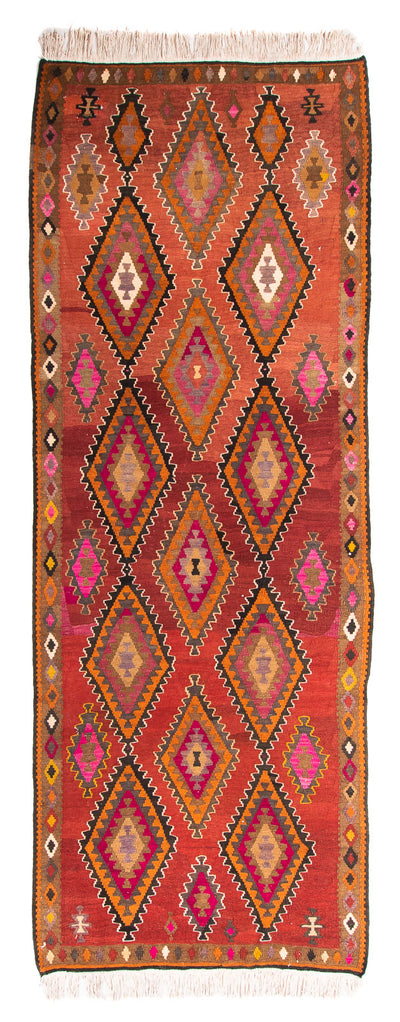
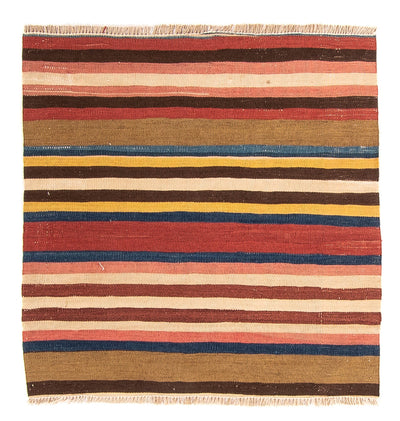
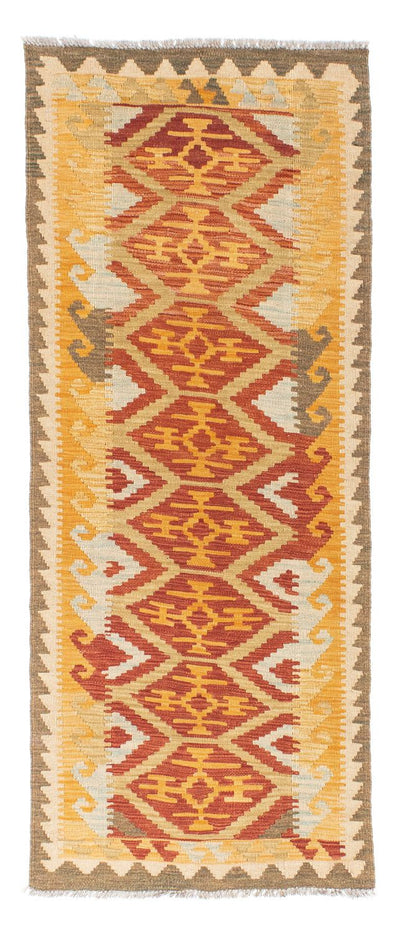
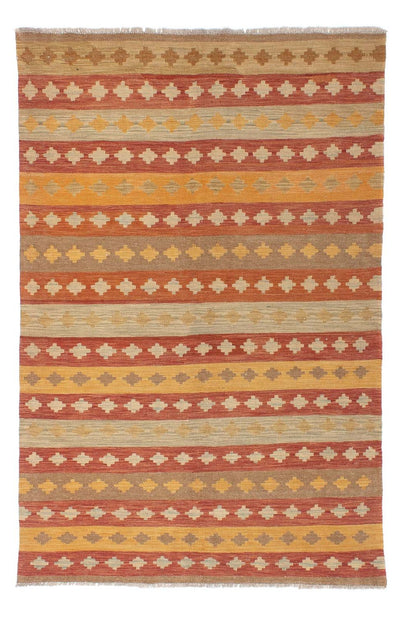
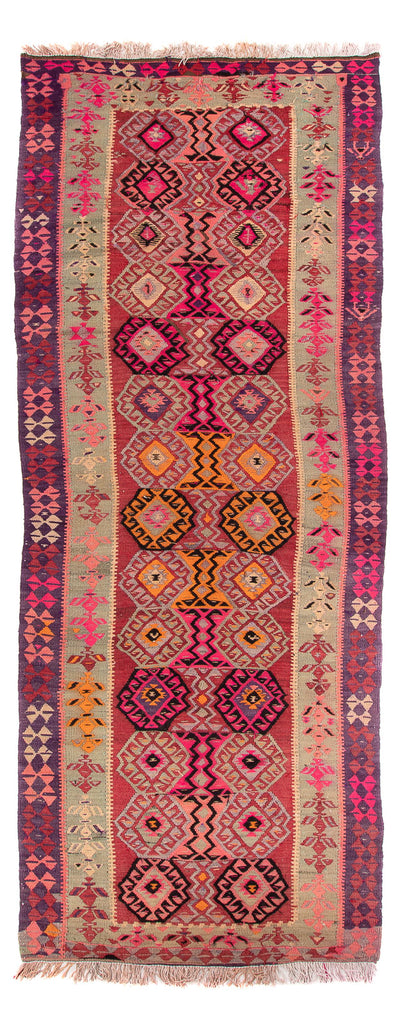
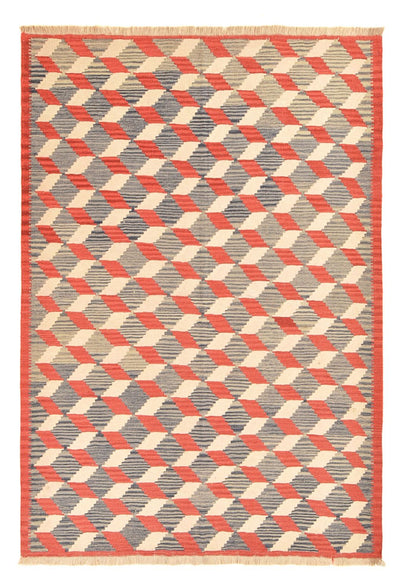
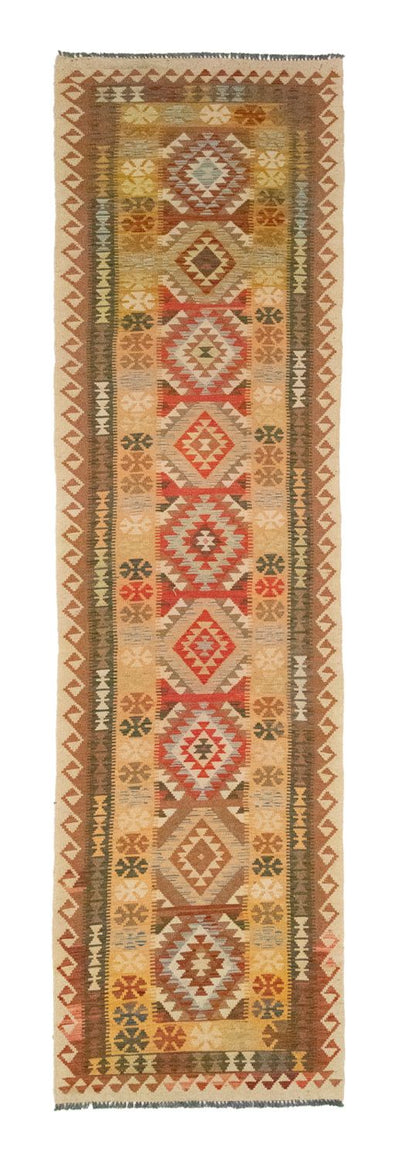
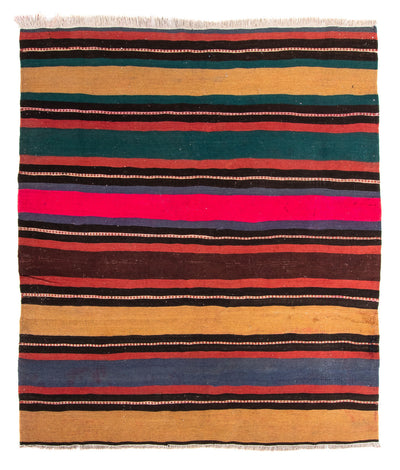
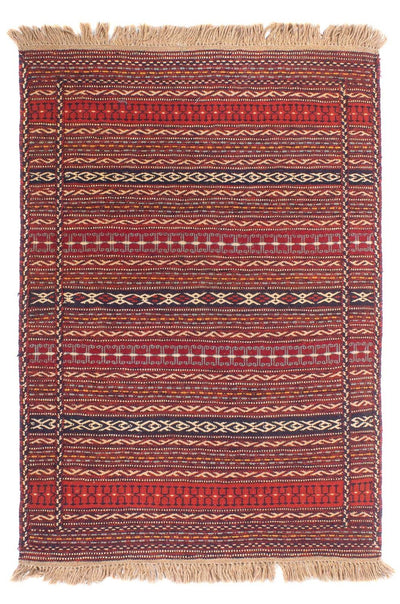
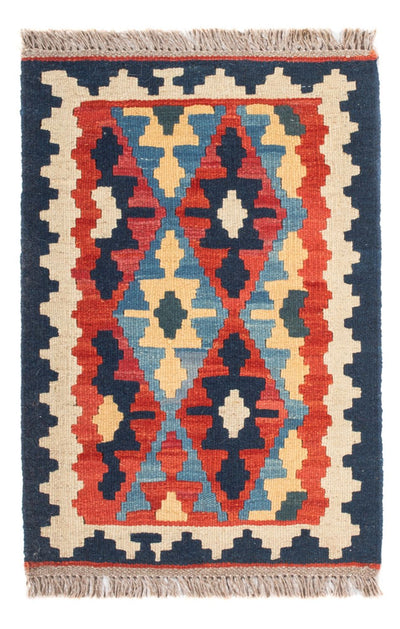
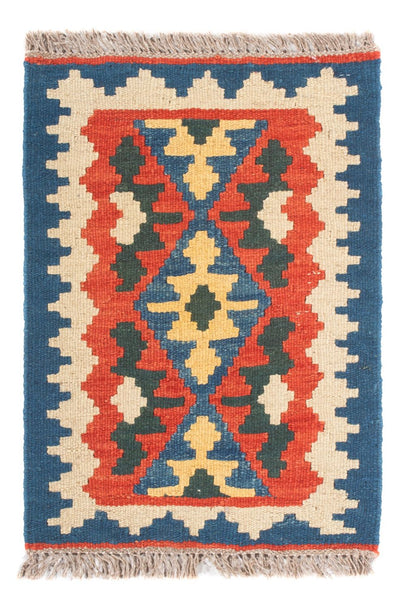
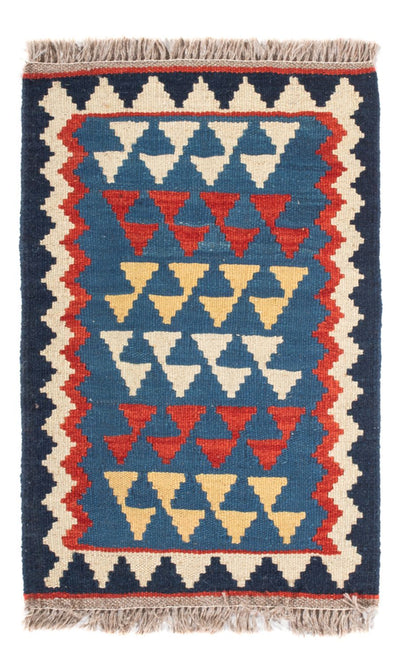
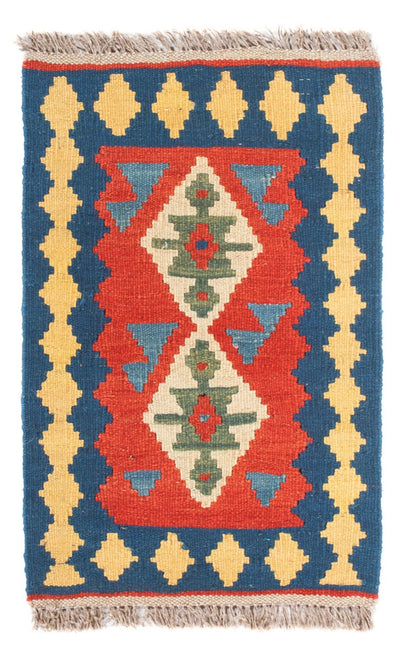
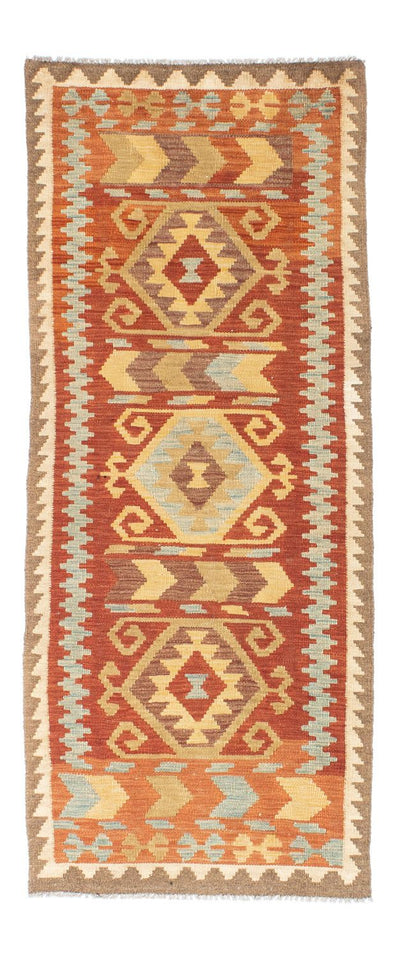
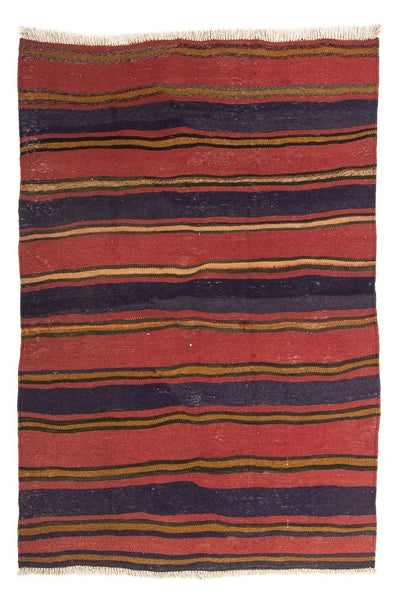
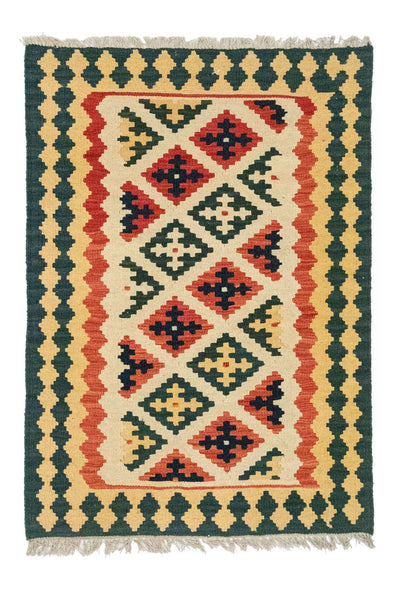
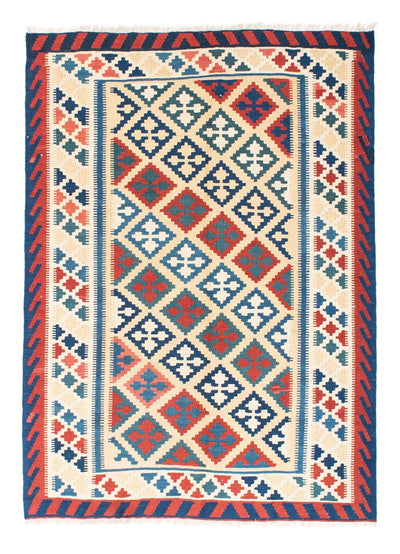
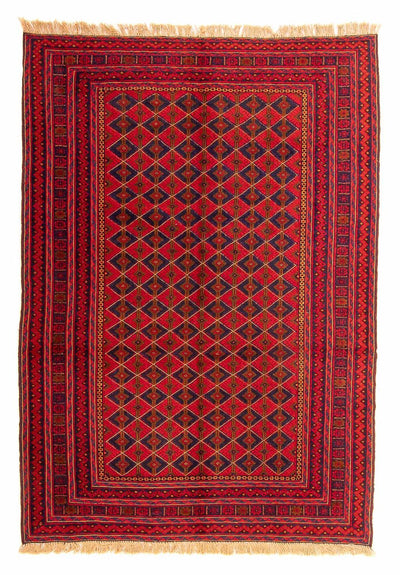
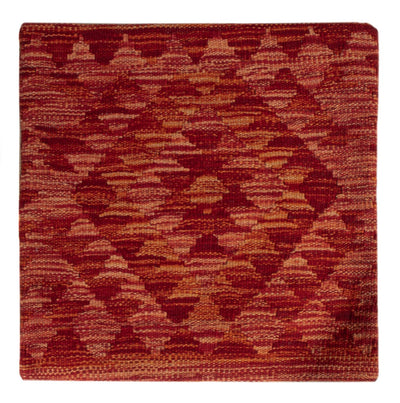
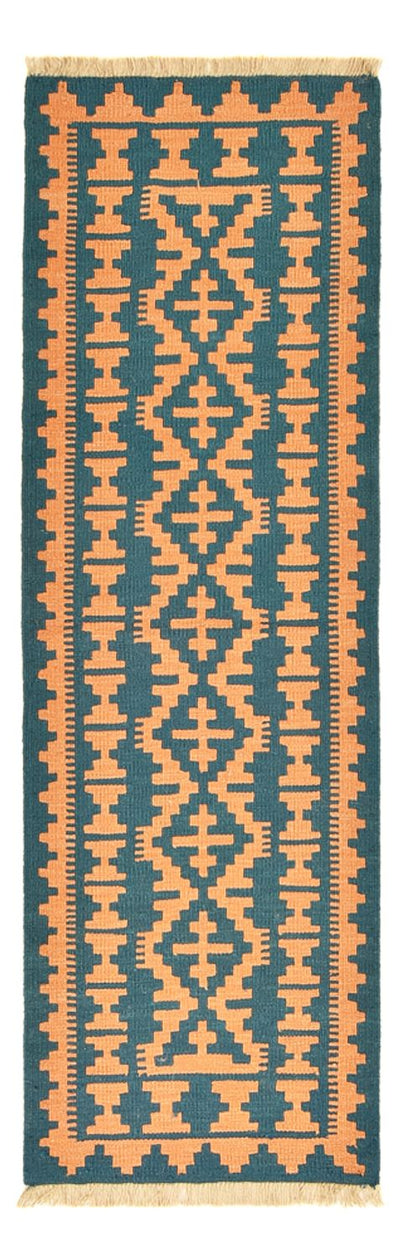
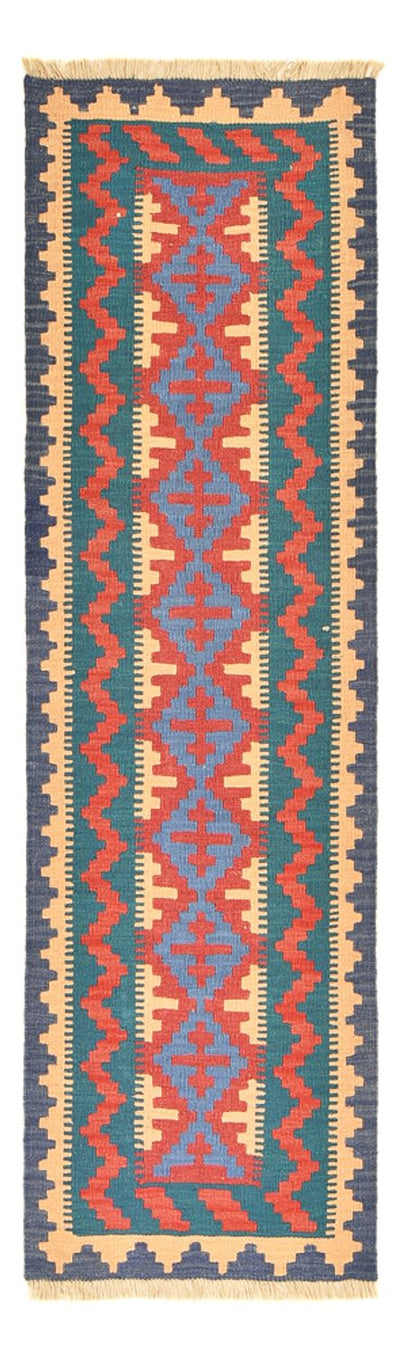
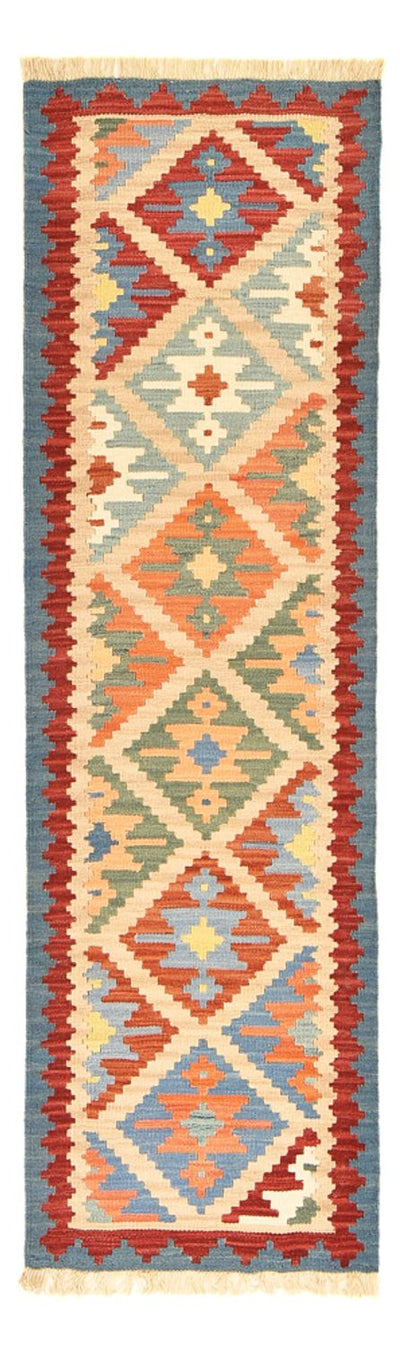
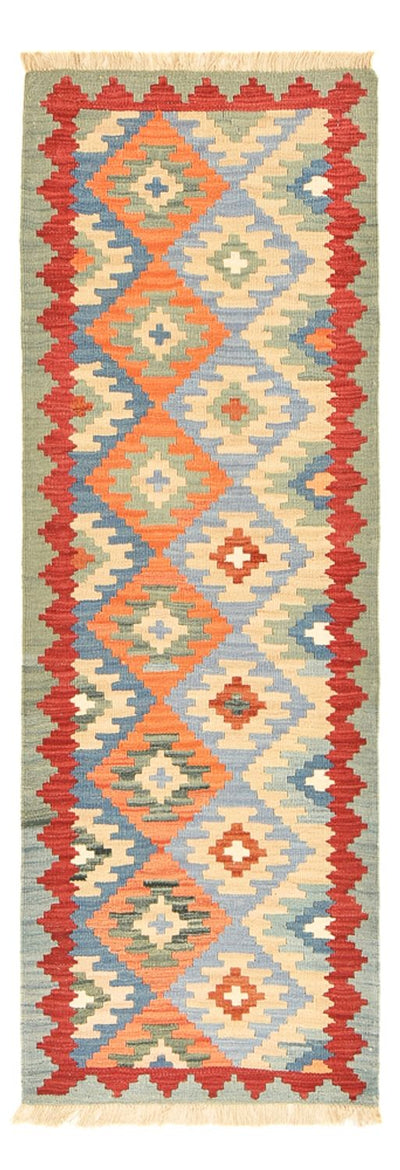
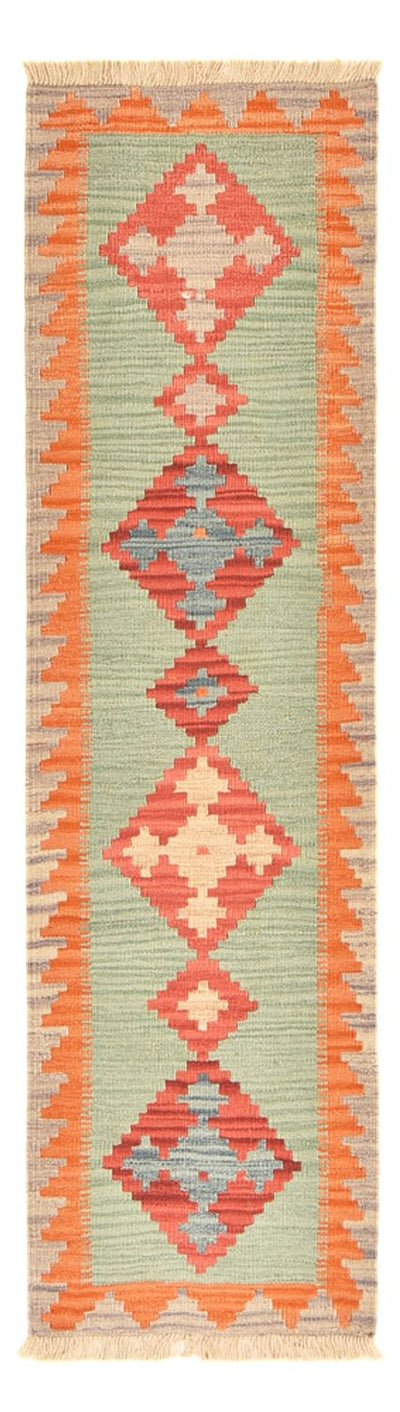
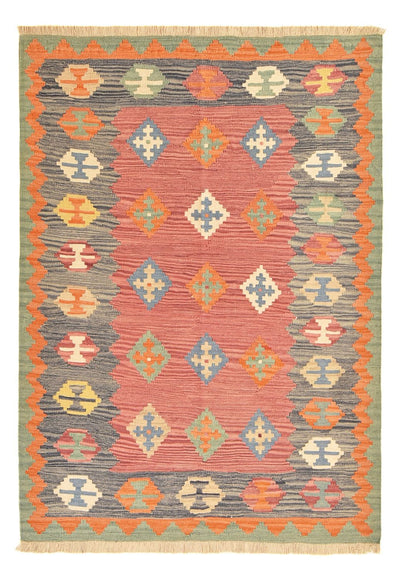
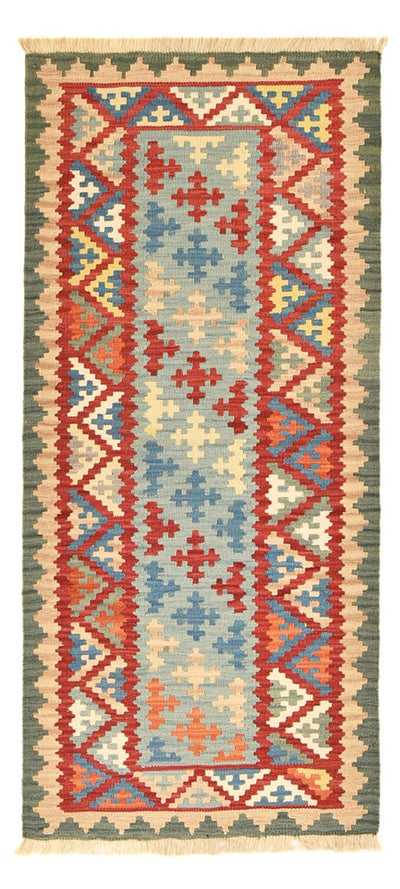
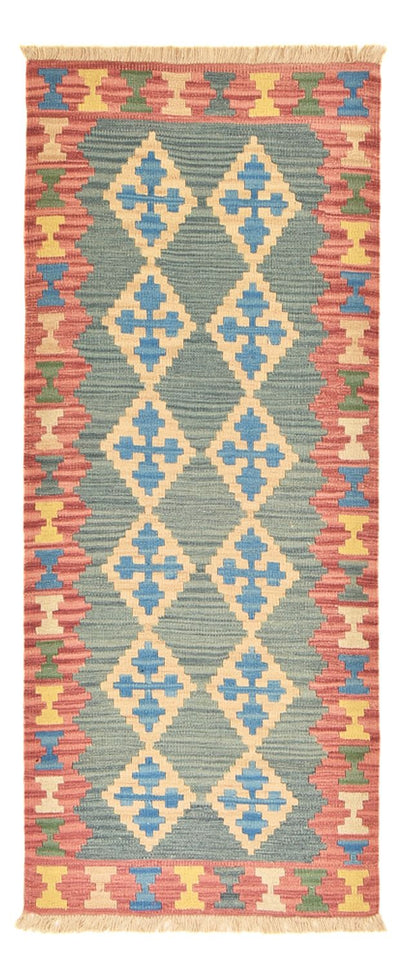
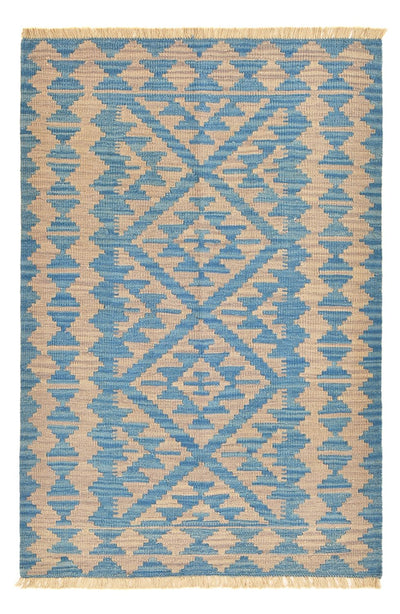

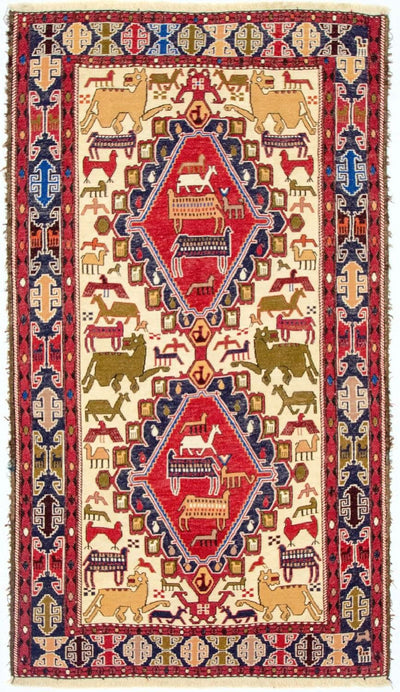
On the loom, the warp threads are stretched lengthwise. Coloured weft threads are passed across them, row by row, and beaten down firmly with a comb. The pattern is created directly in the weave; every change of colour is a separate run of thread. This makes the rug flat and dense, with a surface that looks almost the same on both sides. This page shows only handwoven pieces in the oriental style; you will find the entire selection under Oriental Rugs.
Almost all handwoven oriental rugs in our range are Kilims. The largest group is made up of Kilims from Fars in southern Iran, woven in the nomadic tradition, with strong colours and geometric motifs. They are joined by Kilims from Afghanistan and some from Pakistan. Kilims from Senneh, the Kurdish city of Sanandaj, are particularly finely woven and have small-scale patterns. A few pieces contain silk.
Alongside new Kilims, there is a considerable share of semi-antique pieces that are around 50 to 75 years old. They show patterns and colourings as they were woven decades ago. The age and condition are stated for each rug.
A Kilim adds hardly any height and also fits where a door swings over the floor. It can easily be picked up and rolled, for example when moving house or when the seasons change. Almost all handwoven pieces can be used on both sides: if you turn the rug over from time to time, it wears evenly. On smooth floors, an anti-slip underlay keeps it in place.
The most common Kilims are around 150 x 200 cm and 120 x 180 cm. A striking number are square, mostly around 100 x 100 cm; they also appear among the square oriental rugs. For hallways there are runners up to over four metres long, and for living spaces sizes up to 300 x 400 cm.
No. Many people associate the term Kilim with a flat weave, but our range also includes knotted Kilims. On this page you will see only the handwoven ones; all variants are shown on the Kilim rugs page.
In knotting, a pile is created from many individually tied pieces of yarn. A handwoven rug usually has no pile; it is thinner, lighter and usually reversible.
Vacuum it on both sides without a rotating brush and blot stains with clear water. For a thorough wash, our rug cleaning service is the right place to turn to.
Tradition, expertise & verified quality
Shop without risk
Simple & convenient home delivery
The right rug for every style
£29.00