



Since 1977: Your rug specialist
Tradition, expertise & verified quality
 GB
Hand-knotted Chinese rugs combine a 2,000-year-old tradition with timeless elegance. High-quality wool and silk, the finest patterns with dragons and flowers. In the rug trade since 1977, in Hamburg since 2007.
… Products
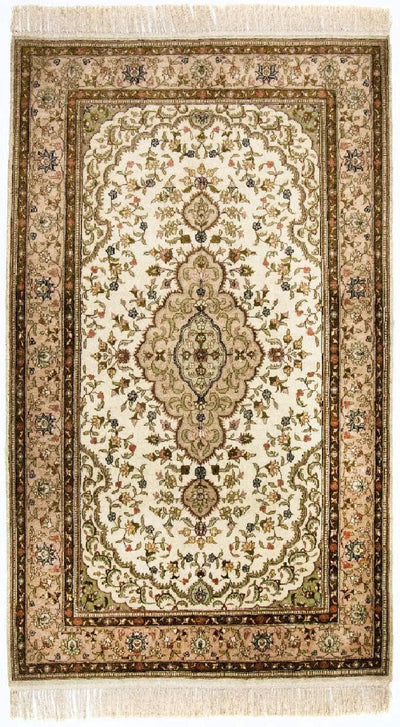


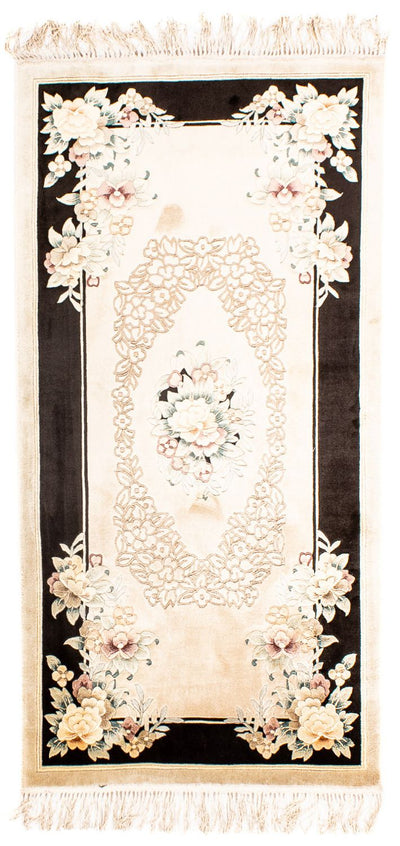
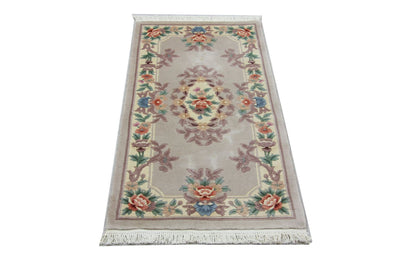
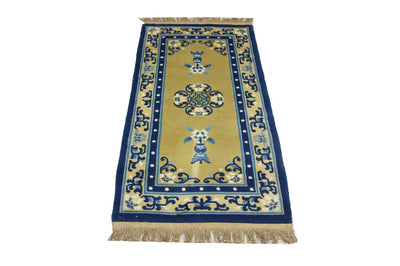
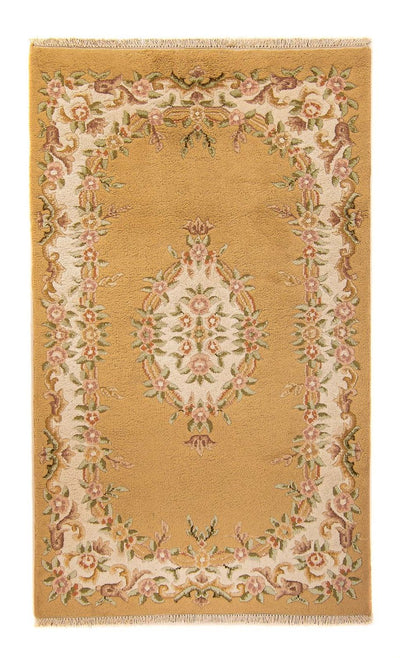
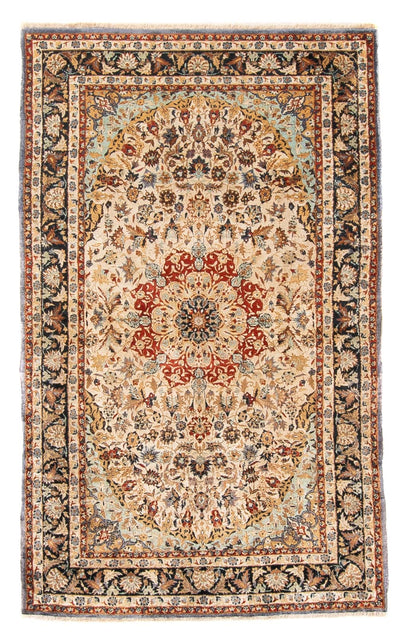
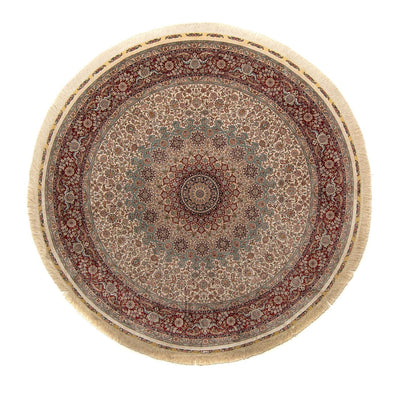
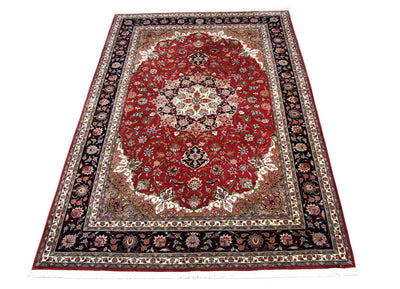
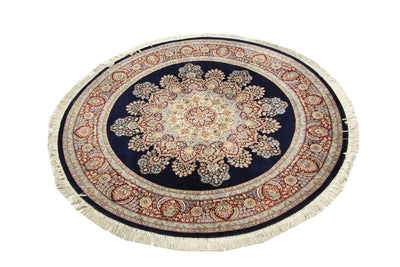
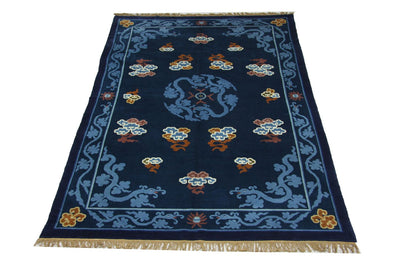
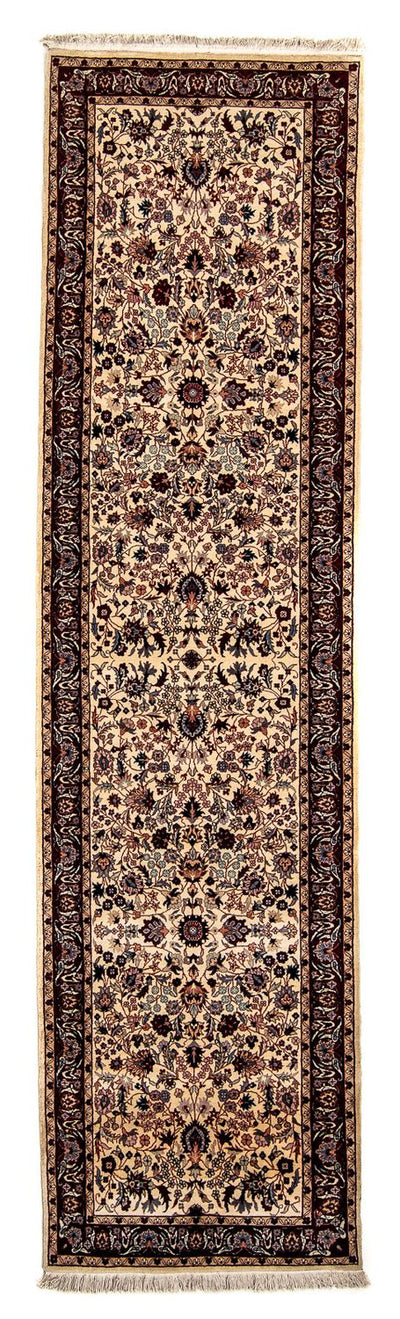
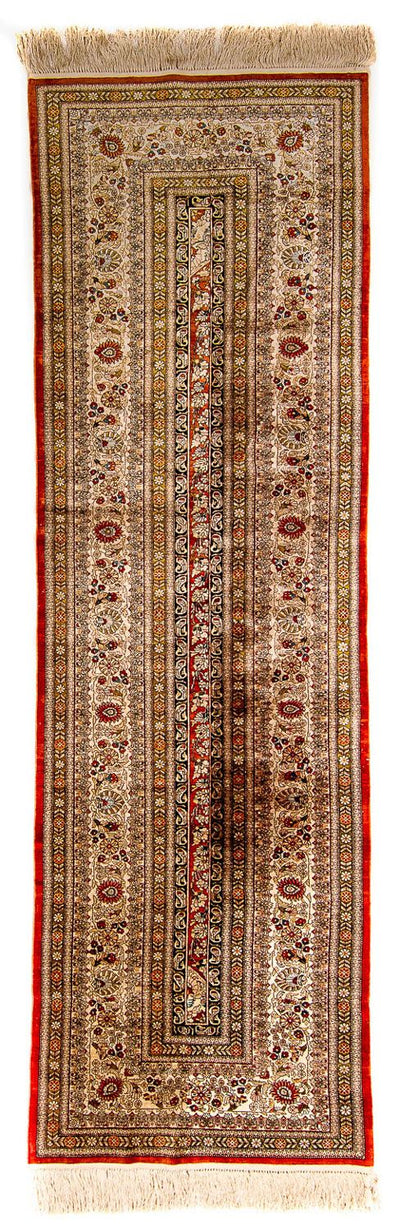
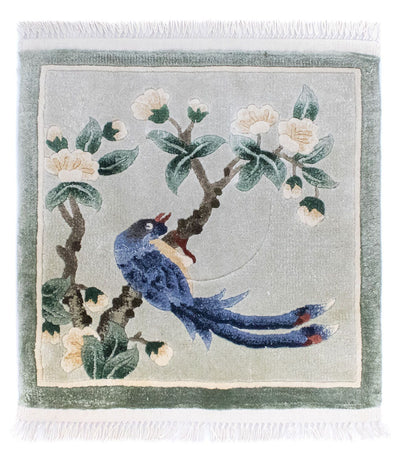
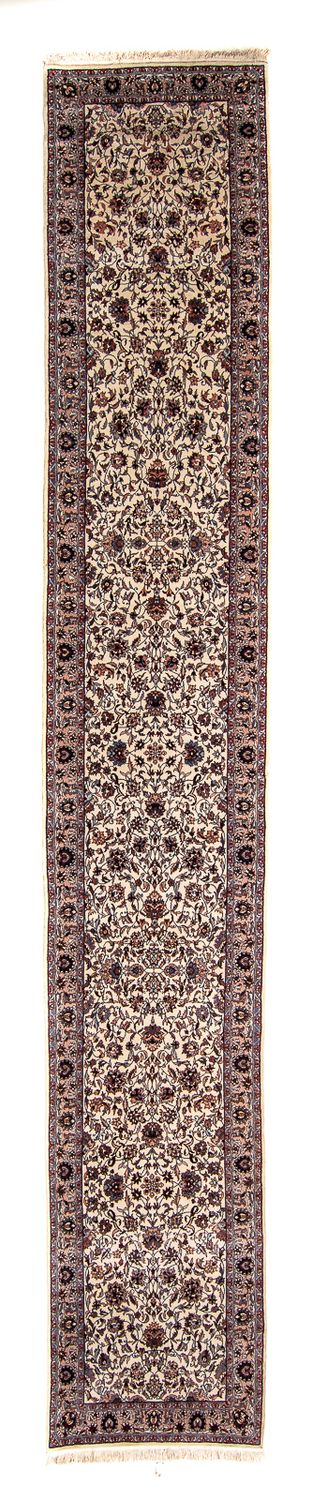
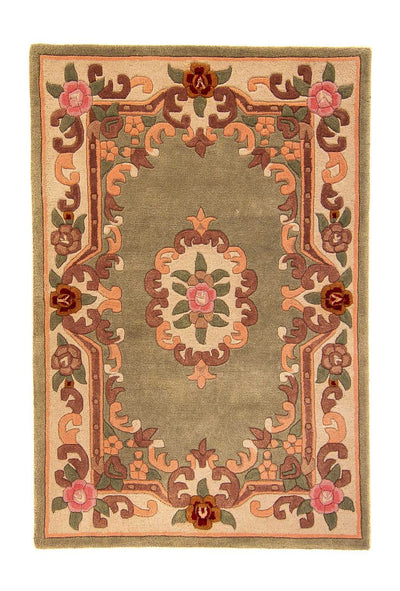
Chinese rugs combine centuries-old craftsmanship with unique motifs and high-quality materials such as wool and silk. These hand-knotted masterpieces bring the country's cultural tradition into any room and set powerful accents with their delicate patterns.
The history of rug knotting in China goes back more than 2,000 years. As early as the Qing dynasty, Chinese knotters developed a style of their own, distinguished by fine lines and highly symbolic depictions. While Persian oriental rugs are often characterised by geometric ornaments, Chinese rugs rely on depictions close to nature and harmonious compositions.
The typical Chinese rug shows clear structures: a central motif is surrounded by generous areas, usually kept in light shades. A characteristic border frames the overall picture and forms the transition between the inner field and the outside world. These design principles reflect Chinese philosophy, which emphasises balance and harmony.
Cities such as Beijing became centres of rug knotting. Workshops were established there that still work according to traditional methods today. Every piece is unique and bears the signature of its knotters. The way they are made differs from other types of rug through special knotting techniques that guarantee particular durability.
High-quality pure new wool forms the basis of most Chinese rugs. This material combines robustness with a pleasant feel underfoot and a natural sheen. For particularly exclusive pieces, silk is used, which impresses with its silky shimmer and allows the finest details.
Depending on the quality, the knot density varies between 100,000 and 400,000 knots per square metre. Higher values allow more detailed depictions and greater durability. For knotting, the craftspeople mostly use the asymmetrical knot, similar to Tabriz or Isfahan. This knotting technique allows precise contours and flowing transitions between different shades.
In some pieces, bamboo silk complements the classic wool. This material made from bamboo fibres gives the rugs additional sheen and makes them particularly easy to care for. Combining different materials in one piece requires years of experience, as every fibre reacts differently to tension and moisture.
The price of a Chinese rug depends directly on the material and knot density. While wool rugs are available from 500 euros, silk rugs with a high knot count can quickly cost several thousand euros. This investment pays off through the exceptional longevity of the hand-knotted pieces.
Dragons are among the most popular motifs on Chinese rugs. They symbolise strength, wisdom and good fortune. Their depiction ranges from stylised forms to richly detailed compositions that breathe life into the mythical creatures. They often appear in blue on light grounds or in golden colours on a dark ground.
Floral elements shape many designs. Flowers such as peonies, chrysanthemums and lotus blossoms embody beauty and transience. Leaves and tendrils wind elegantly through the field and create organic movement. These motifs come from traditional Chinese painting and were adapted for rug knotting.
Vases appear as a recurring symbol. They refer to the country's famous art of porcelain and stand for prosperity. Some rugs show entire still lifes with vases filled with flower arrangements. The depiction is reminiscent of precious porcelain vessels from imperial collections.
Geometric ornaments complement the naturalistic depictions. Meanders, cloud bands and chequerboard patterns frame central motifs or fill the border. These abstract forms create structure and draw the eye to the main motifs. The combination of naturalism and abstraction characterises the Chinese style.
Colours follow symbolic meanings. Red stands for happiness and joy, blue for heaven and eternity. Yellow was reserved for the emperor and can be found in valuable pieces. Modern interpretations also use beige and grey for contemporary elegance.
The most common shape is rectangular. Rectangular rugs are suitable for most living areas and can be positioned flexibly. Standard sizes start at 100 x 150 cm for smaller areas and go up to 300 x 400 cm for spacious rooms.
Popular sizes for living rooms are 150 x 200 cm and 170 x 240 cm. These formats offer enough space for seating groups and create defined areas. For dining rooms, 200 x 300 cm is recommended so that all chairs stay on the rug even when pulled out.
A runner is perfect for hallways and corridors. These narrow, elongated formats create visual depth and protect heavily used areas. Over time, standard widths of 70 to 100 cm have become established, with variable lengths depending on the room.
Square and round versions are rarer but offer interesting design options. They are particularly suitable for central positions under dining tables or as an accent in entrance areas. The symmetrical shape emphasises the balance of Chinese designs.
Custom sizes are made on request. The knotters adapt dimensions and patterns to individual room conditions. Such commissioned pieces require longer production times but create perfectly tailored solutions for unusual rooms.
In the living room, a Chinese rug unfolds its full effect. The calm patterns create atmosphere without dominating. Placed under the seating group, it defines the conversation area and dampens noise. The elegance of the designs harmonises with classic and modern interior styles alike.
The bedroom benefits from the calming aura of Chinese rugs. Light shades and flowing patterns promote relaxation. A large rug that peeks out from under the bed offers pleasant warmth when you get up. The high quality of the wool has a temperature-balancing effect.
In the dining room, the size should be chosen generously. The rug must hold all chairs even when they are pulled out. Dense knotting makes it resistant to crumbs and spilt liquids. Dark colours with subtle patterns hide small stains better than light versions.
For studies, rugs with understated designs are a good choice. They create a focused atmosphere without distracting. Their sound-absorbing properties improve the room acoustics during video conferences. A rug under the desk visually defines the work area.
In entrance areas, a prestigious Chinese rug makes the first impression. Robust wool rugs withstand the wear and are easy to clean. A runner in the hallway visually connects different rooms and protects the floor from footprints.
Regular vacuuming preserves the beauty of the rug. Once a week is enough with normal use. The brush roller should be switched off to protect the fibres. Always vacuum in the direction of the pile to maintain the structure and preserve the natural sheen.
Treat fresh stains immediately. Dab liquids with a clean cloth without rubbing. Carefully scrape off solid dirt. For wool rugs, lukewarm water with a neutral cleaner is suitable. Silk rugs require special care and should only be dabbed with a damp cloth.
Professional cleaning is recommended every three to five years. Specialists know the particular characteristics of different materials and dyes. They gently remove deep-seated dirt and refresh the colours. After cleaning, the rug regains its original brilliance.
Avoid direct sunlight. UV rays bleach natural colours and weaken the fibres. Turn the rug every six months to ensure even wear. In little-used areas, the colour intensity is retained for longer.
For longer storage, roll the rug up – do not fold it. Wrap it in breathable material such as cotton. Store it in a dry, ventilated place, protected from moths. Special moth repellents for natural fibres offer additional security.
Knot density tells you about quality and durability. Count the knots in one square centimetre at the edge. High-quality rugs reach at least 250,000 knots per square metre. With silk rugs, values above 500,000 are not uncommon. The finer the knotting, the more detailed the patterns.
Check the back. The pattern must be clearly recognisable. Blurred contours indicate machine production. Hand-knotted rugs show slight irregularities that make up their character. This individuality distinguishes genuine handwork from industrial production.
The material determines the feel and longevity. Pure new wool feels firm and even. Silk has a characteristic sheen and is considerably softer. Blended fabrics combine the advantages of both fibres. Look for proof of origin that documents the materials used.
The price reflects the work involved and the value of the materials. A hand-knotted medium-sized Chinese rug costs at least 800 euros in wool, and considerably more in silk. Unrealistically cheap offers indicate machine production or inferior materials. Invest in quality that lasts for generations.
Ask about the origin. Reputable dealers know the production sites and can provide information about the knotters. Certificates prove authenticity and document the choice of materials. This transparency creates trust and secures your investment.
We have been trading in high-quality oriental rugs since 1977 (in Hamburg since 2007). Our many years of experience guarantee well-founded advice and careful selection. Every rug undergoes a thorough quality check before it is added to our range. Customers from all over Germany value this expertise.
In our Hamburg showroom we present an extensive selection of Chinese rugs. You can look at, touch and compare the pieces at your leisure. Our advisers explain the differences between the various knotting regions and help you choose the right format. This personal service is missing when you buy online.
We maintain direct contacts with knotters and workshops. This allows fair prices with consistently high quality. By doing without intermediaries, we pass the cost advantages on to our customers. At the same time, we can keep track of the working conditions at the production sites.
Our service does not end with the purchase. We advise on care and cleaning and, if required, put you in touch with specialised restorers. If you have questions about placement or combining the rug with other furnishings, we are there for you even years later. This long-term support is a hallmark of our family business.
The diversity of our range includes classic and modern interpretations. Whether you are looking for an antique Peking rug or a contemporary piece with pared-back patterns – you will find the right piece with us. We regularly expand the selection with new acquisitions and rarities.
Chinese rugs use more expansive designs with naturalistic depictions such as dragons and flowers. Persian rugs such as Nain or Isfahan mostly show geometric ornaments and medallions. Chinese rug knotting uses softer shades and leaves more empty space, while Persian pieces are often patterned all over.
Check the back: the pattern must be clearly recognisable, with slight irregularities. The fringes are direct extensions of the warp threads, not sewn on. Hand-knotted pieces show minimal deviations in the pattern that underline their character as one-of-a-kind pieces.
For seating groups, at least 170 x 240 cm is recommended, 200 x 300 cm is better. The rug should be large enough for at least the front legs of the furniture to stand on it. In large rooms, several smaller rugs create different zones and look livelier than a single piece.
Yes, in the case of wool rugs with a moderate knot density. The temperature should not exceed 25 degrees. Silk rugs are less suitable for this. Make sure there is sufficient air circulation under the rug to avoid heat build-up.
Hand-knotted medium-sized wool rugs start at around 800 euros. Silk rugs or particularly fine pieces cost between 2,000 and 8,000 euros. Antique pieces and large formats can reach considerably higher prices. The investment pays off through decades of durability.
Vacuum silk rugs only carefully, without a brush roller. Never rub stains, only dab them. Use only cleaners developed specifically for silk. Professional cleaning every five years preserves the sheen. Avoid direct sunlight, which bleaches the delicate fibres.
Absolutely. Models with pared-back patterns and light shades such as beige or grey harmonise perfectly with minimalist design. The clear structure of Chinese designs emphasises modern architecture. The contrast between traditional craftsmanship and contemporary furnishings creates elegance full of tension.
Tradition, expertise & verified quality
Shop without risk
Simple & convenient home delivery
The right rug for every style
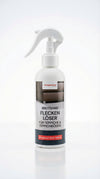
£29.00