Since 1977: Your rug specialist
Tradition, expertise & verified quality
 GB
A 200 x 300 cm wool rug combines natural elegance with practical functionality. This size creates atmosphere in spacious living areas and regulates the indoor climate naturally.
… Products
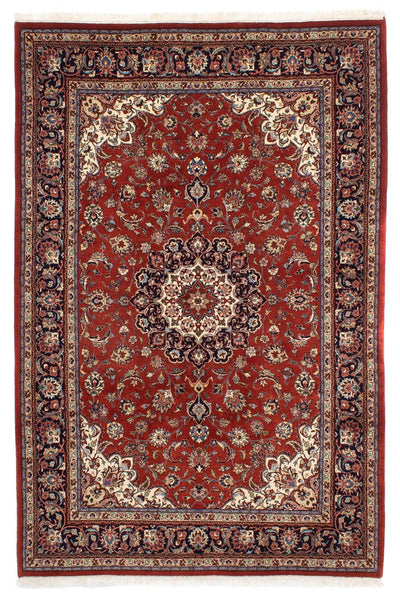
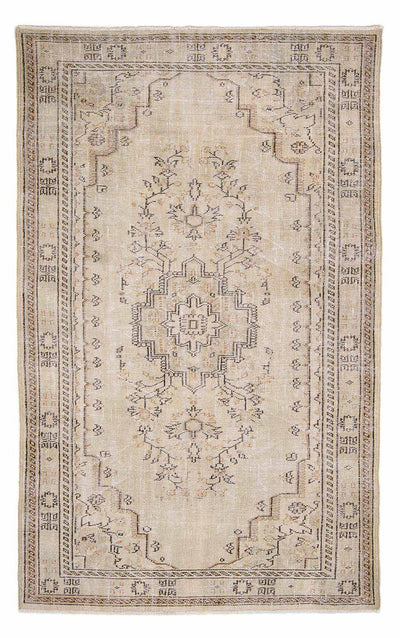
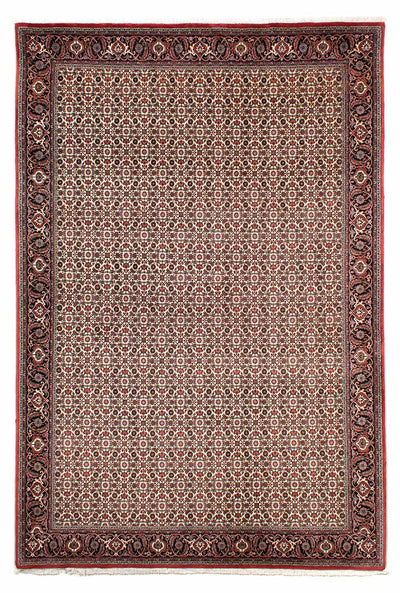


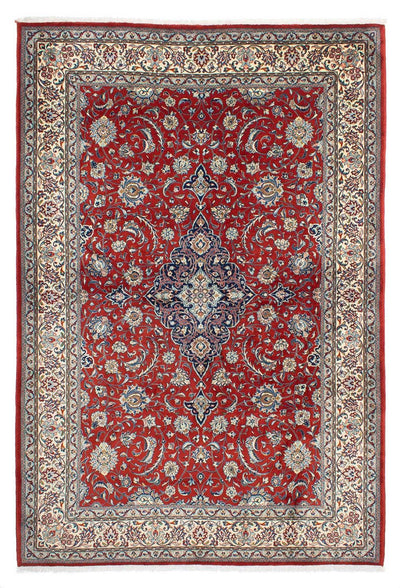
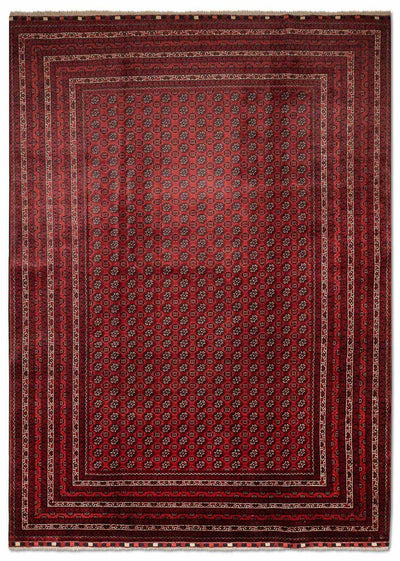
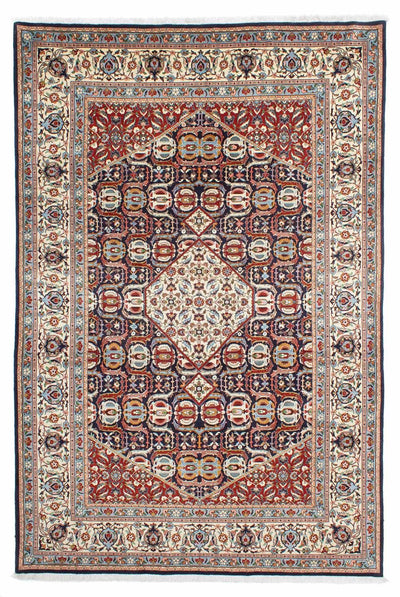

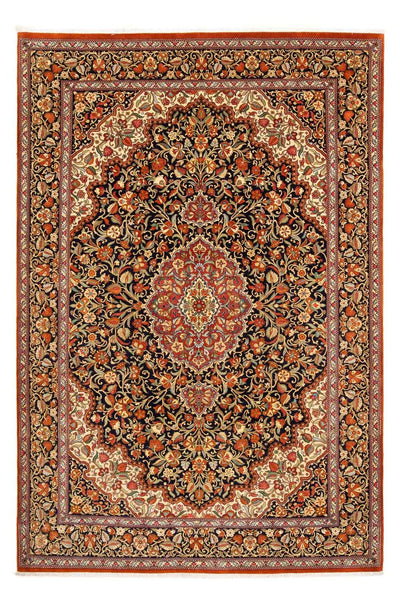

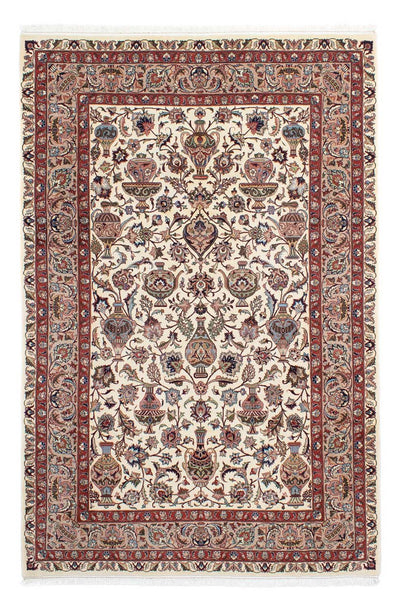
A wool rug 200 x 300 cm combines natural elegance with practical functionality for spacious living areas. This size offers enough surface to furnish living rooms or bedrooms stylishly while creating a healthy indoor climate. Since 1977 (in Hamburg since 2007), we have been advising customers on choosing the right rug for their home.
A wool rug of this size is much more than just a decorative floor covering. The natural wool fibres actively regulate the indoor climate by absorbing moisture and releasing it again. This property makes wool rugs particularly valuable for a healthy living environment in every season. The dimensions of 200 x 300 cm correspond to an area of six square metres and therefore offer enough space for different interior concepts.
As a material, wool naturally has excellent properties. It is dirt-repellent, flame-retardant and has a natural self-cleaning ability. The fibres absorb sound and noticeably reduce reverberation in rooms. A wool rug therefore creates a more pleasant atmosphere in your home, not only visually but also acoustically.
The texture of a wool rug varies considerably depending on how it is made. Hand-knotted pieces have a dense, firm structure, while hand-tufted versions have a softer pile. These different textures influence both the feel and the durability of the product. In our range you will find both types of workmanship in first-class quality.
The 200 x 300 cm size is one of the most popular formats for medium-sized to large living spaces. It offers plenty of comfort under seating areas and clearly defines zones. Unlike smaller items, a rug of this size does not look lost, but sets deliberate design accents in the room.
Pure virgin wool is the basis for high-quality wool rugs in every price range. These fibres come from living sheep and are characterised by particular elasticity. The wool springs back after pressure and keeps its shape for years. Unlike synthetic materials such as polyester or polypropylene, wool offers natural warmth and a pleasant feel underfoot.
Some products combine wool with other natural fibres for special effects. A blend with viscose gives the rug a silky sheen and shows off patterns particularly impressively. Viscose reflects light differently from wool and thus creates interesting visual effects. This combination is particularly suitable for items with detailed designs and modern colour gradients.
Jute as a backing material reinforces the structure of large rugs for the long term. It forms a robust base and prevents warping or rippling. The combination of jute in the foundation weave and wool in the pile unites stability with comfort. This construction ensures that the rug lies flat on the floor even with intensive use.
Hand-knotted wool rugs often use cotton for the warp threads. These form the framework into which the wool knots are worked. Cotton is tear-resistant and does not warp, even if the rug is used for decades. The quality of this foundation largely determines the lifespan of the whole piece.
The material also largely determines the care properties. Pure wool absorbs less dirt than blended fabrics. The natural structure of the fibres repels dirt particles and makes cleaning easier. When choosing, you should consider not only the aesthetics but also the practical properties of the different materials.
The 200 x 300 cm size offers enough surface for generous patterns and complex designs. Medallions that can only be hinted at in smaller formats unfold their full effect here. Classic designs with a central medallion and surrounding border look particularly good in these dimensions. The eye-catching effect comes from the harmonious proportion between the patterned field and the frame.
Modern wool rugs often rely on pared-back patterns or plain designs with a focus on texture. A model in grey blends discreetly into different interior styles and lets other elements take centre stage. Natural shades such as beige, brown or cream create a calming base and can be combined with almost any colour. This restraint by no means equals boredom, as the texture of the wool itself creates liveliness.
Geometric patterns are enjoying a remarkable renaissance in contemporary designs. Stripes, diamonds or abstract shapes bring dynamism into the room. When choosing the pattern, you should take the existing furnishings into account. A calm style with clean lines can take bolder patterns, while with furniture that is already patterned, a plain rug may be the better choice.
Colour gradients and ombre effects make the most of the size. The gentle transition from one colour to another develops along the length of the rug and guides the eye through the room. This technique is particularly suitable for elongated living rooms or dining areas, where it emphasises the depth of the room and creates something special.
Oriental designs with floral motifs remain timelessly popular. The surface of a rug of this size allows detailed depictions of flowers, tendrils and ornaments. These traditional patterns bring history and craftsmanship into modern living spaces and connect different styles with one another.
A rug measuring 200 x 300 cm takes up a significant area. Before buying, you should measure the available space and plan the position of the furniture precisely. As a rule of thumb, at least 20 to 30 centimetres should remain free between the edge of the rug and the wall. This prevents the room from looking crowded.
Placement under seating areas follows clear rules for the best effect. Ideally, at least the front legs of the sofa and armchairs should stand on the rug. This creates visual unity and clearly defines the seating area. In dining areas, the rug should be chosen so that all chair legs remain on it even when the chairs are pulled out.
In open-plan living, a large wool rug 200 x 300 serves as a visual room divider. It marks out zones without the need for structural changes. This size is perfect for separating a living area from a dining area or defining a reading corner. The clear demarcation created by the rug structures the room and provides orientation.
Proportions play a decisive role in the overall picture. In a very large room, even a rug of this size can look lost. Here, it is advisable to combine it with matching runners or smaller rugs in adjacent areas. A uniform colour scheme or coordinated material then creates a harmonious overall impression.
The three-metre length allows different placement options. In the living and dining area, the rug can lie across the room and connect several functional zones. Alternatively, aligning it lengthways emphasises the depth of the room and makes narrow rooms appear more spacious.
The living room is the classic place for a 200 x 300 cm wool rug. Here the size comes fully into its own and creates a cosy atmosphere for family and guests. Placed under the seating area, the rug defines the space for conversation and invites you to linger. The warmth of the wool is particularly noticeable in the cooler months and noticeably increases comfort.
In the bedroom, a large wool rug creates a special feel-good atmosphere. Placed in front of or under the bed, it provides a pleasant surface for your first steps in the morning. The soft texture feels much more comfortable under bare feet than a hard floor. The sound-absorbing effect also contributes to a quieter sleeping environment.
This size also works excellently in spacious entrance areas. Here the rug welcomes residents and guests and gives a foretaste of the interior style as soon as they enter. In heavily used areas, however, you should make sure the quality is particularly robust. A dense pile and hard-wearing wool are the first choice here.
For studies or home-office areas, a wool rug offers several practical advantages. It reduces reverberation, which can be distracting in video conferences, and creates a professional yet warm atmosphere. The size is enough to fit completely under the desk and chair. This way, office chairs roll more easily than on a hard floor and noise is effectively dampened.
In open-plan living spaces, a wool rug of this size visually separates different functional areas. It defines the living area within a large room and creates structure. This zoning makes particular sense in modern lofts or large period apartments.
Regular vacuuming preserves the beauty of a wool rug for many years. Use a medium suction setting without rotating brushes, as these put unnecessary strain on the fibres. Vacuuming once or twice a week is quite sufficient with normal use. In the first weeks after purchase, some shedding may occur; this is normal for wool and subsides over time.
For best results, fresh stains should be treated immediately. Dab liquids with a clean, light-coloured cloth without rubbing. Rubbing pushes the dirt deeper into the fibres. For stubborn stains, lukewarm water with a little pH-neutral soap helps. Work from the outside in to prevent the stain from spreading.
Professional cleaning is recommended every two to three years. Specialist companies have special methods for wool rugs and know the material's characteristics well. They remove deep-seated dirt without damaging the fibres. After cleaning, the rug looks fresh again and the colour appears more intense.
Airing the room regularly optimally supports the natural self-cleaning of the wool. Fresh air helps the fibres release absorbed moisture. Avoid direct sunlight over long periods, as this can fade the colours. Turning the rug occasionally prevents uneven wear in heavily used spots.
For heavier soiling or odours, dry cleaning with bicarbonate of soda can help. Sprinkle the powder thinly, leave it to work overnight and vacuum it up thoroughly the next day. This method neutralises odours and freshens up the rug.
You can recognise the quality of a wool rug by several specific features. Check the density of the pile: the denser the knotting or tufting, the more durable the product as a whole. For hand-knotted rugs, a knot density of 100,000 knots per square metre or more is considered good quality, while premium pieces reach 250,000 and more. This density has a considerable influence on both durability and price.
The weight provides important information about the amount of material used. A high-quality wool rug measuring 200 x 300 cm weighs between 15 and 25 kilograms, depending on pile height and density. Lighter pieces may indicate savings on material or an admixture of polyester. If possible, pick the rug up and feel the quality of the wool.
Pay attention to information about origin and production conditions. Rugs from traditional knotting regions such as Iran, Afghanistan or Nepal often follow proven quality standards. However, the choice should not be based on origin alone. Indian or Pakistani manufactories also produce excellent wool rugs. What matters is the workmanship and the quality of the wool used.
The price varies considerably depending on the production method, material and design. Hand-tufted wool rugs in this size start at around 400 euros, while hand-knotted pieces start at 800 euros and can cost several thousand euros. This price range reflects the amount of work and the quality of the materials. A fair price takes into account the work of the knotters and guarantees high-quality materials. Look for good value for money.
Check the back of the rug carefully. On hand-knotted pieces, the pattern should also be clearly visible on the back. This is a sure sign of genuine handwork. Machine-made rugs usually show a uniform structure on the back without a recognisable pattern. Both types have their place, but should be declared correctly.
The pile height has a decisive influence on comfort and care. For living spaces, a pile height of 8 to 15 millimetres is ideal. A higher pile looks more luxurious but shows footprints more quickly. A lower pile is more hard-wearing but feels less soft. Choose according to how you will use it.
Since 1977 (in Hamburg since 2007) we have been your specialist for high-quality rugs. In our showroom we present a carefully curated selection of wool rugs in various sizes and styles to suit every taste. Personal advice is at the heart of what we do: we take the time to understand your wishes and find the right rug for your home.
Our range includes both classic and modern designs in great variety. From traditionally hand-knotted oriental rugs to contemporary designer pieces, you will find a wide selection with us. Every product is checked for quality before it is added to our range. We work directly with manufactories and know the origin of every rug precisely.
Being able to experience rugs in person makes all the difference. In our Hamburg store, you can compare different items, feel the texture and look at the colours in different light.
Our service does not end with the purchase of the rug. We offer comprehensive advice on care and can arrange professional cleaning services if required. We are available to answer questions about your rug even years after your purchase. Simply add items to your basket or visit us in person. An account on our website lets you save favourites and track orders.
Delivery to your home is reliable and safe. Large rugs such as the 200 x 300 cm size are carefully packed and prepared for shipping. Shipping is fast, and free of charge from a minimum order value.
We regularly offer attractive deals on selected items from our range. The stated recommended retail price serves as a transparent price reference. This way you can buy high-quality wool rugs on fair terms and benefit from our many years of experience.
Combining a wool rug with your furnishings follows a few proven principles of interior design. With neutral furniture, the rug can become the colour accent. Strong shades such as red, blue or green then create the desired eye-catcher. If the furnishings are already colourful, a rug in natural or grey tones is recommended as a calm base.
Layering different textures creates depth and interest in the room. A textured wool rug goes well with smooth materials such as leather or metal. Combine it with soft cushions and throws made of linen or cotton. This mix of materials makes the room more interesting and avoids visual monotony.
Take careful account of the lighting conditions in your room. In darker rooms, light-coloured wool rugs brighten the atmosphere and reflect the available light optimally. In very bright, sun-drenched rooms, darker shades can also be used without making the room look gloomy. The texture of the wool plays with the light and creates different effects depending on the time of day.
A practical placement tip: do not let the rug end directly at the wall. The free space of 20 to 30 centimetres mentioned above makes the room look larger and emphasises the shape of the rug. This framing by the visible floor creates a visual stage for the rug and increases its impact as a design element.
Combine the wool rug with matching accessories for a coherent overall look. Cushions in similar shades or with related patterns create visual connections. This repetition of elements gives the room calm and makes the furnishings look well thought out. When it comes to decoration, less is often more.
Wool is a renewable resource and therefore an environmentally friendly choice for your home. Sheep produce a new fleece every year, which is obtained gently. Unlike petroleum-based fibres such as polyester or polypropylene, wool has a much lower impact on the environment. At the end of its long life, wool is also biodegradable.
The positive effects on the indoor climate are well documented scientifically. Wool can absorb up to 33 per cent of its own weight in moisture without feeling damp. This property regulates the humidity in the room naturally. In dry winter months the rug releases moisture, and in more humid times it absorbs it.
Allergy sufferers benefit considerably from the antistatic properties of wool. Unlike synthetic materials, wool does not become electrically charged and therefore attracts less dust. The natural structure of the fibres binds dust particles, which are removed the next time you vacuum. This leads to noticeably less dust in the air.
The longevity of wool rugs is an often underestimated sustainability factor. A well-cared-for wool rug can last several decades while retaining its beauty. This durability avoids frequent replacements and considerably reduces resource consumption in the long term. The higher initial investment pays for itself over the years thanks to the long service life.
Natural fibres help to improve air quality. Wool filters pollutants from the air and binds them in its structure. This property makes wool rugs particularly valuable in urban apartments or near busy roads. Here, nature offers a simple solution for better living.
With good care, a high-quality 200 x 300 cm wool rug lasts 20 to 30 years or longer. Hand-knotted pieces often outlast generations and even become more valuable over the years. What matters is the quality of the wool, the density of the workmanship and regular care. Regular vacuuming and occasional professional cleaning extend the lifespan considerably.
Yes, wool rugs are robust enough for households with pets and withstand the strain. The fibres are resistant to wear from claws and normal foot traffic. However, with animals that are prone to accidents, you should react quickly. Urine should be rinsed out immediately with clear water to avoid lasting odours. The natural odour-neutralising properties of wool also help here.
For heavily used living spaces, a pile height of 8 to 15 millimetres is ideal. This medium pile offers good comfort and is easy to care for in everyday life. A very high pile of over 20 millimetres looks luxurious, but shows footprints more quickly in heavily used areas. A short pile under 8 millimetres is extremely hard-wearing but feels less soft.
Wool rugs are generally suitable for underfloor heating and work well with it. Choose a moderate pile height, as this hinders heat transfer less. The insulating effect of wool slightly reduces heating efficiency, but at the same time creates a pleasant surface temperature. Start the heating season at a low temperature to acclimatise the rug gently and protect the material.
Prices range from around 400 euros for machine-made tufted rugs to several thousand euros for hand-knotted designer pieces. In the mid-range, you will find good hand-tufted wool rugs between 600 and 1,200 euros with solid value for money. The price reflects the material, production effort and design. Personal advice helps you find the best offer for your requirements.
You can recognise real wool by its characteristic smell, especially when the rug is new or gets damp. A simple test: carefully pull on individual wool fibres. Wool stretches and springs back, while synthetic fibres tend to break off. When a single fibre is burnt, wool smells of burnt horn and leaves brittle ash, while synthetic fibre melts into hard little beads.
New wool rugs do not need any special treatment before use. Airing the room at first helps the natural wool smell to dissipate more quickly. Some rugs shed a little in the first weeks; this is normal and not a quality defect. Avoid intensive stain cleaning at the beginning, as the fibres first need to settle. After about four weeks, the rug has fully acclimatised.
Tradition, expertise & verified quality
Shop without risk
Simple & convenient home delivery
The right rug for every style
£29.00