Black Rugs

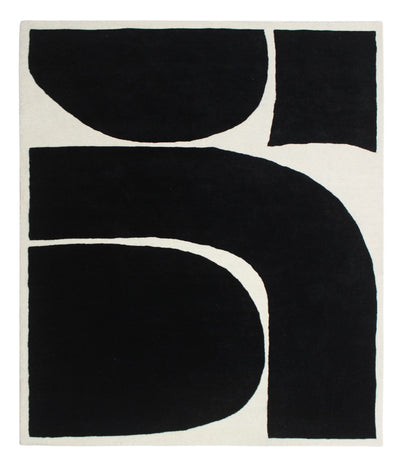
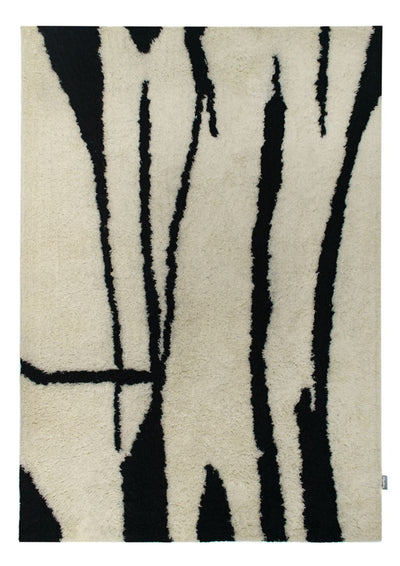
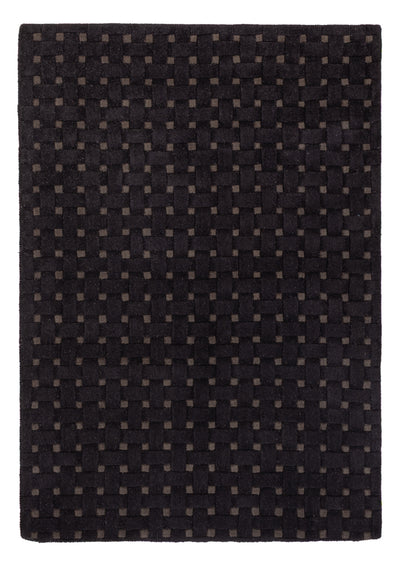
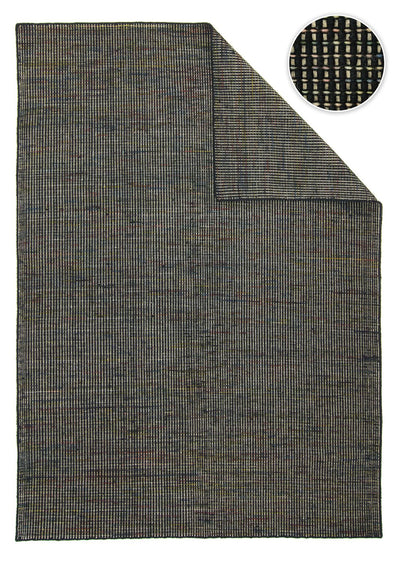
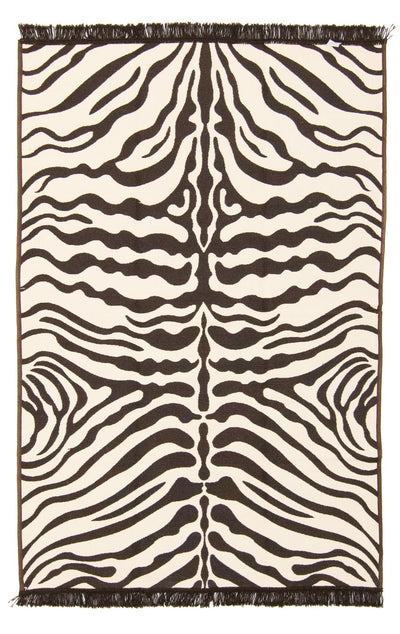
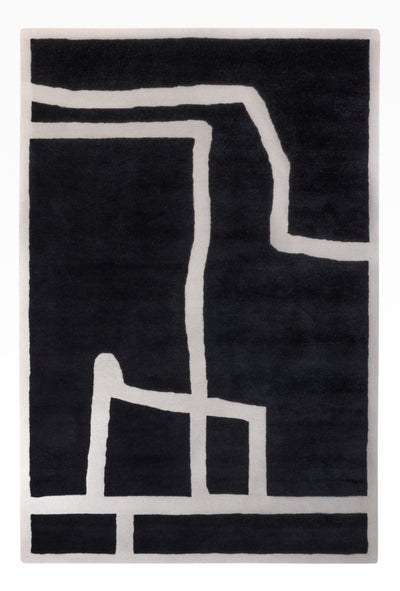
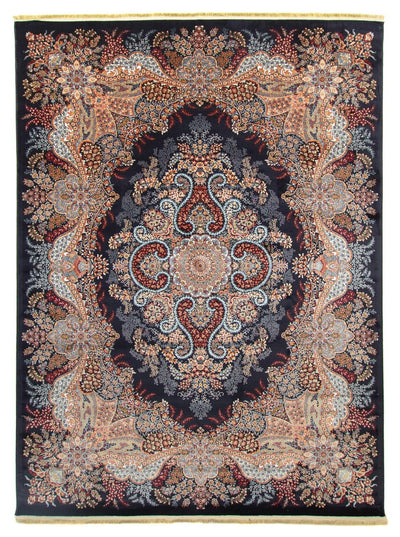
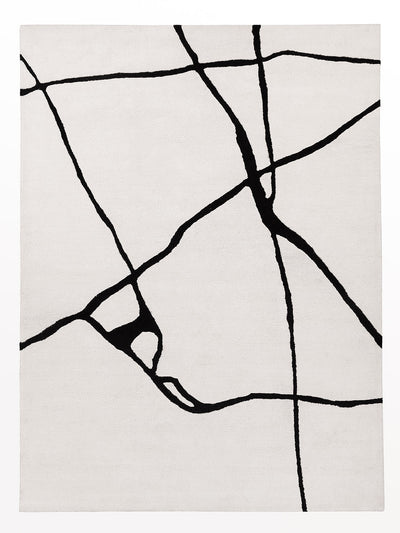
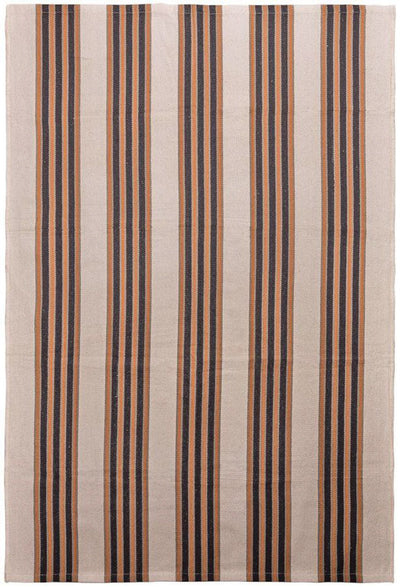
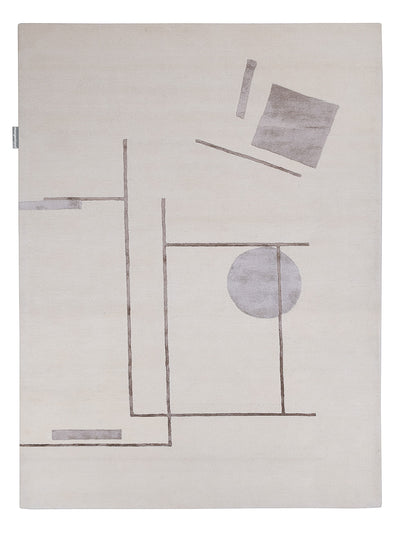
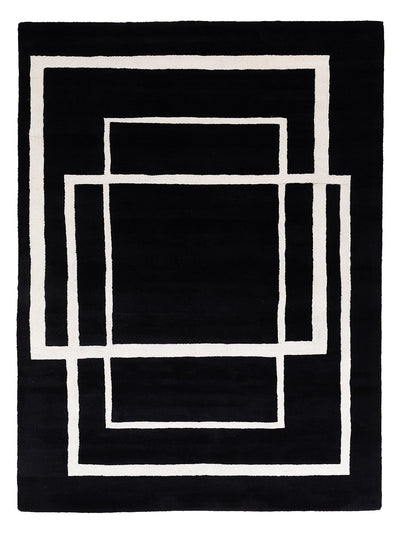
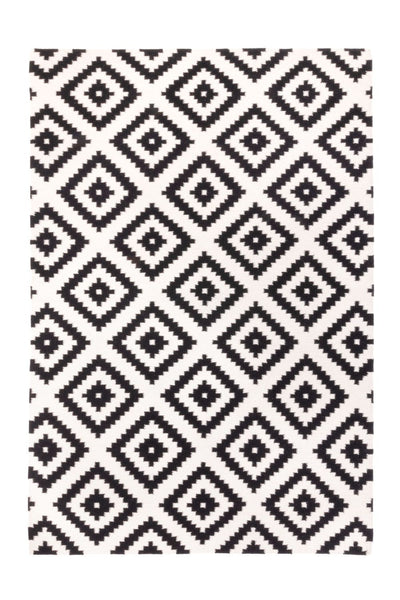
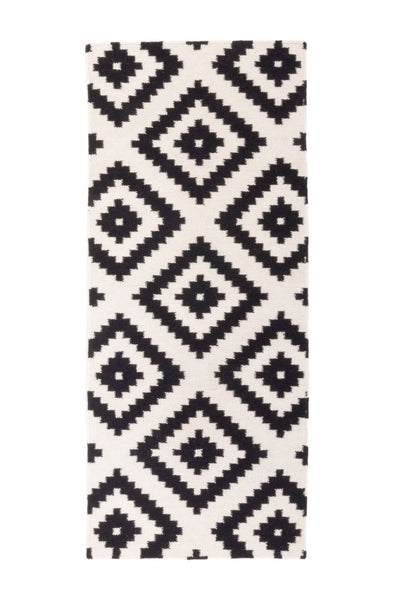
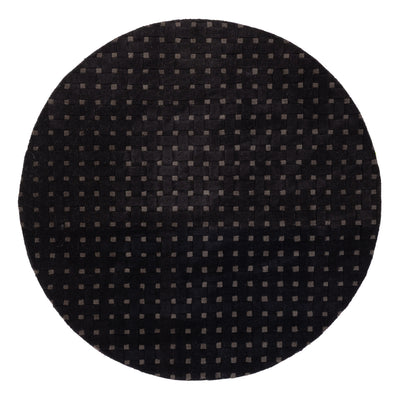
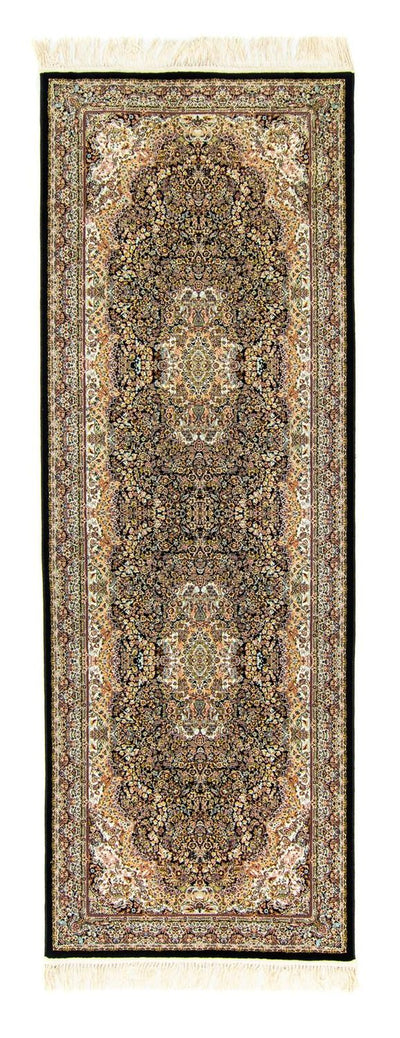
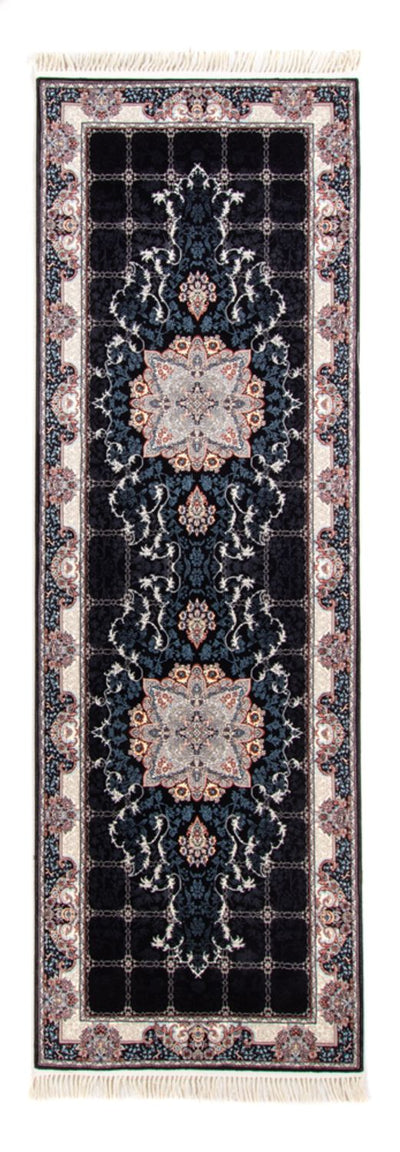
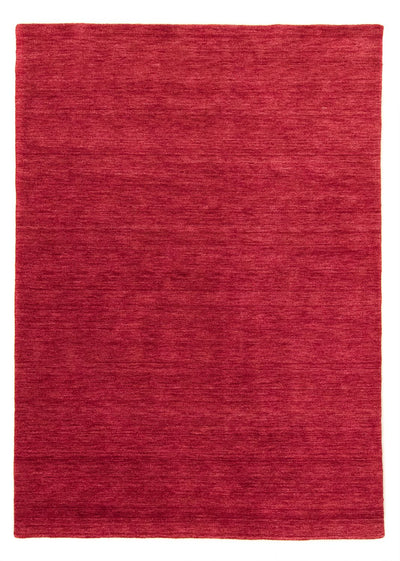
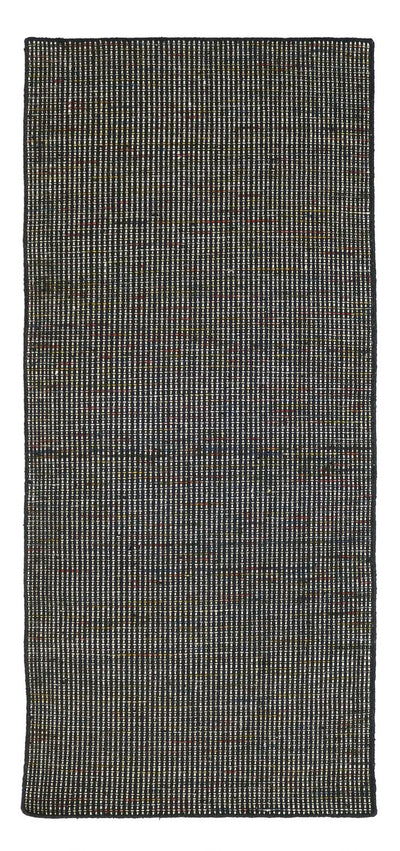
Our various rugs in black are available in many variations and colors. These include subtly patterned rugs and bridges or those with an elaborate pattern in traditional or modern designs.

A black oriental rug combines the timeless elegance of traditional Eastern craftsmanship with the versatile sophistication of a neutral dark palette. These handwoven carpets feature intricate designs rooted in Persian, Turkish, and nomadic traditions, offering homeowners a statement piece that anchors any interior style. Since 1977, Morgenland Teppiche in Hamburg has specialised in authentic oriental rugs that bring warmth and character to British homes.

What Characterises a Black Oriental Rug?

Oriental rugs originate from regions spanning Persia, Turkey, the Caucasus, and Central Asia, where weaving traditions date back thousands of years. A black oriental rug typically features a dominant black field or background, though pure black examples are rarely found in antique pieces. Historically, weavers achieved dark shades through natural dyes derived from indigo, walnut husks, and iron-rich minerals. The deep tones served both practical and aesthetic purposes: they concealed wear in high-traffic areas while providing dramatic contrast to brightly coloured motifs. Nomadic rugs from tribal weavers often incorporated black borders and geometric elements, creating bold visual anchors. Persian rugs from workshops in Tabriz and Kashan sometimes used black grounds to highlight floral medallions in red, blue, and ivory. Today, black oriental rugs remain prized for their ability to complement contemporary interiors while preserving centuries-old craftsmanship. The security of authentic provenance protects buyers from inferior reproductions. When you invest in a genuine piece, you protect your home with a durable textile that tells a cultural story. These woven works rarely lose their appeal, maintaining elegance across decades.

Materials and Craftsmanship in Black Oriental Rugs

Authentic black oriental rugs rely on natural materials: wool, silk, and cotton form the foundation of quality construction. Wool remains the most common pile material, prized for its resilience, natural lanolin content, and ability to accept dye. High-grade wool from mountain sheep produces a lustrous, durable surface that withstands daily use. Weavers hand-knot each tuft onto a cotton or wool foundation, creating knot densities ranging from 100,000 to over 1,000,000 knots per square metre. Higher knot counts enable finer pattern detail and a smoother surface. Silk appears in premium examples, lending a luminous sheen and allowing extremely intricate designs. The knotting technique varies by region: Persian rugs typically use asymmetrical (Senneh) knots, while Turkish and nomadic rugs employ symmetrical (Ghiordes) knots. Natural dyes produce rich, complex shades that age gracefully, avoiding the harsh uniformity of synthetic chemicals. A well-crafted black oriental rug requires months of labour, with skilled artisans working on vertical looms to ensure consistent tension and pattern accuracy. This meticulous process creates a textile that improves with age, developing a subtle patina that enhances its character. Our wool rugs showcase the natural beauty of this traditional material. For those seeking alternative weaving styles, explore our Gabbeh rugs with their distinctive coarser texture.

Patterns and Designs in Black Oriental Rugs

Black oriental rugs display a spectrum of pattern styles, from geometric nomadic motifs to elaborate floral compositions. Persian rugs often feature central medallions surrounded by corner elements, with arabesque vines and palmettes rendered in shades of red, blue, green, and ivory against the black field. These intricate designs demonstrate the weaver's skill and regional artistic traditions. Tabriz workshops produce particularly detailed floral patterns, while Kashan rugs favour symmetrical layouts with pronounced central motifs. Nomadic rugs from tribes such as the Qashqai and Baluch exhibit bolder geometric patterns: stepped diamonds, stylised animals, and tribal symbols arranged in repeating rows. The contrast between black grounds and brightly coloured motifs creates striking visual impact. Some examples incorporate abrash, subtle colour variations that occur naturally when dye lots differ, adding depth and authenticity. Black borders often frame lighter fields, providing definition and balance. The word "design" barely captures the cultural reference encoded in each pattern: motifs symbolise protection, fertility, and spiritual beliefs passed through generations. Modern interpretations retain traditional elements while adapting colour palettes to contemporary tastes. Whether you prefer ornate floral elegance or minimalist geometric style, a black oriental rug offers timeless versatility. The dark palette allows these carpets to anchor a room without overwhelming other design elements, creating space for layered decor.

Sizes and Formats for Every Space

Black oriental rugs come in dimensions suited to any room configuration. Standard rectangular formats include smaller accent sizes around 150 x 100 cm, ideal for defining seating areas or placing beside beds. Mid-range sizes such as 200 x 150 cm and 240 x 170 cm suit dining areas and medium living rooms, providing ample coverage while leaving floor borders visible. Larger examples measuring 300 x 200 cm or 350 x 250 cm fill spacious living areas, creating unified design zones. Runners, typically 80-100 cm wide and 200-400 cm long, work perfectly in hallways and corridors. Square formats serve well in foyers and beneath round dining tables. When selecting size, ensure the rug will fit the room and furniture layout properly: front sofa legs should rest on the rug, and dining chairs should remain on the surface when pulled out. Oversized rugs visually expand a room, while smaller accent pieces introduce pattern without dominating. Our collection includes dimensions up to 400 x 300 cm for grand spaces requiring substantial coverage. Consider your room proportions carefully; a rug that's too small can fragment the space, while an appropriately sized example unifies disparate furniture elements into a cohesive whole.

Which Room Suits a Black Oriental Rug Best?

Black oriental rugs adapt beautifully to multiple interior settings, though certain rooms particularly benefit from their dramatic presence. In living rooms, these carpets anchor seating arrangements, providing visual weight that balances lighter walls and upholstery. The dark ground conceals everyday wear while intricate designs add cultural richness. Bedrooms gain intimacy and warmth when a black oriental rug softens the floor beside the bed or extends beneath it. The contrast between crisp white bedding and a dark, patterned rug creates sophisticated elegance. Dining rooms benefit from the practicality of black grounds, which minimise the visibility of dropped food and beverage stains. Choose a size that accommodates chairs even when pulled away from the table. Larger black oriental rugs can also create a more continuous look across open-plan areas or connected seating zones. Home offices and libraries find these rugs especially suitable: the serious, grounded aesthetic complements wood furnishings and book-lined walls. Hallways and entryways can accommodate runners with black backgrounds, creating a welcoming transition that performs triggered cleaning routines easily due to the forgiving colour. The security solution a black rug provides against visible dirt makes it practical for high-traffic zones. While rarely used in kitchens due to moisture concerns, these rugs occasionally appear in larger eat-in kitchen spaces with proper placement away from sink and cooker areas. Our living room rugs offer numerous options for central gathering spaces.

Care and Cleaning Your Black Oriental Rug

Proper maintenance ensures your black oriental rug remains beautiful for generations. Regular vacuuming removes surface dust and prevents particles from embedding deep into pile fibres. Vacuum weekly in low-traffic areas and twice weekly in busier zones, always working in the direction of the pile. Avoid beater bars on handwoven rugs, as mechanical agitation can damage knots; use suction-only settings instead. Rotate your rug every six months to distribute wear evenly and prevent fading in areas exposed to direct sunlight. Address spills immediately: blot liquids with clean, absorbent cloths, working from the outside in to avoid spreading. Never rub, as this pushes the substance deeper. For solid debris, gently lift particles rather than grinding them into the weave. Avoid harsh chemicals and steam cleaners, which can strip natural dyes and damage wool fibres. Professional cleaning every 3-5 years maintains structural integrity and revitalises colours. Specialists trained in oriental rug care use pH-balanced solutions that protect delicate materials and ensure the rug can dry thoroughly and safely after washing or spot treatment. Between professional services, spot-clean with mild detergent diluted in cool water, testing first on an inconspicuous corner. Black grounds naturally conceal minor soiling, but this should not replace regular maintenance, though routine upkeep stays easy when spills are handled promptly and cleaning methods remain gentle. Protect your investment by using rug pads to prevent slipping and reduce wear from friction against hard floors. The durable nature of quality wool makes these rugs resilient, but care ensures they retain their intricate designs and structural soundness.

Buying Guide: What to Look for in a Black Oriental Rug

Selecting an authentic black oriental rug requires attention to several quality indicators. First, examine the knot structure: flip the rug over and inspect the back. Hand-knotted examples show clear individual knots with pattern details visible on both sides, while machine-made rugs display uniform, repetitive backing. Knot density affects both durability and value; finer weaves with higher knot counts command premium prices and display more intricate designs. Check material composition: natural wool feels soft yet springy and shows slight lustre, while synthetic fibres appear uniformly shiny and lack resilience. Silk adds exceptional sheen but requires gentler handling. Inspect dye quality by examining colour transitions: natural dyes create subtle gradations and depth, whereas synthetic dyes often appear flat and uniform. Abrash, those beautiful colour variations within a single shade, indicates hand-dyeing and adds character. Assess construction symmetry: patterns should align properly, and the rug should lie flat without buckling or curling at corners. Fringe should be an extension of the foundation warps, not sewn on separately as in machine-made copies. Consider age and condition: antique rugs carry historical value but may show wear, while new pieces offer pristine condition with contemporary sizing. Price reflects a handmade product shaped by materials, knot density, size, age, and origin; be wary of deals that seem too good, as they likely indicate inferior quality or machine production. Request provenance documentation when available. A reputable dealer provides transparent information about origin, materials, and age. Unable to assess quality confidently? Visit our Hamburg showroom, where our staff offers expert guidance, helping you find a black oriental rug that matches your needs and budget.

Styling Tips: Incorporating Black Oriental Rugs into Your Interior

Black oriental rugs function as powerful design anchors that complement various decorating styles. In contemporary interiors, pair your rug with minimalist furniture in white, grey, or natural wood tones. The contrast between sleek modern lines and traditional pattern creates dynamic visual interest. Scandinavian-inspired spaces benefit from this juxtaposition: light walls and simple furnishings gain depth when grounded by a richly patterned black rug. For eclectic interiors, layer textures and colours freely; the black ground unifies disparate elements without competing for attention. Traditional settings naturally accommodate these rugs: pair with leather furniture, wood panelling, and classic upholstery in jewel tones like burgundy or emerald green. The colours within the rug's pattern guide your palette choices. If your black oriental rug features blue accents, echo this shade in throw pillows or artwork. Green motifs might inspire botanical prints or potted plants. Create warmth by combining the rug with brass or gold metallic accents, which glow against the dark background. Layering rugs has become increasingly popular: place a smaller vintage or vintage rug atop your black oriental for added texture and pattern mixing. Lighting plays a crucial role; ensure adequate illumination to prevent the space from feeling too dark. Position floor lamps and table lamps strategically to highlight the rug's intricate designs. The elegance of a black oriental rug allows it to serve as either a bold focal point or a sophisticated backdrop, depending on how you style surrounding elements.

The Heritage of Oriental and Nomadic Rugs Weaving

Understanding the cultural context enriches appreciation for black oriental rugs. The earliest texts mentioning carpets date to the 2nd millennium BC, and in ancient times these textiles were also given as gifts to high-ranking individuals. Rug weaving developed across ancient trade routes, with each region cultivating distinctive styles reflecting local aesthetics and available materials. The oldest known hand-knotted rug is the Pazyryk carpet, which dates to the 5th century BC. Persian rugs from Iran represent perhaps the most celebrated tradition, with cities like Tabriz, Kashan, Isfahan, and Qom producing masterworks for centuries. These urban workshop rugs feature curvilinear designs, floral motifs, and sophisticated colour harmonies, reflecting a major change in design principles over time. Turkish rugs, particularly those from Anatolia, favour geometric patterns and bold primary colours. Mamluk rugs are known for a limited colour palette of bright shades, giving them a distinct regional character. Nomadic rugs created by travelling tribal groups across Persia, Afghanistan, and Central Asia exhibit freer, more spontaneous designs. These weavers worked from memory rather than formal patterns, producing unique pieces with symbolic geometric elements. The loom itself varied: nomadic groups used horizontal ground looms easily transported between seasonal camps, while settled workshops employed vertical looms allowing larger dimensions and finer detail. Natural dyes came from regional plants, insects, and minerals: madder root for red, indigo for blue, weld for yellow, walnut husks for brown, and combinations producing the deep blacks and rich shades seen in oriental rugs. The introduction of synthetic dyes in the late 19th century initially compromised quality, though modern natural dye revivals have restored traditional methods. Each rug encodes information: patterns identify tribal affiliation, motifs carry symbolic meaning, and construction techniques reveal origin. The term “Oriental rug” became widely used during the Islamic period. This cultural reference transforms a functional textile into an art form worthy of museum display. By choosing an authentic piece, you become a custodian of this heritage, preserving traditional craftsmanship for future generations.

Why Choose Morgenland Teppiche for Your Black Oriental Rug?

Since 1977, Morgenland Teppiche has specialised in authentic oriental rugs, building expertise through decades of direct relationships with weavers and workshops across the East. Our Hamburg showroom offers an extensive collection where you can see, touch, and compare quality firsthand. Unlike online-only retailers, we provide personal consultation, helping you navigate the complexities of materials, regional styles, and quality markers. Our buyers travel regularly to source regions, selecting pieces that meet rigorous standards for craftsmanship and authenticity. This direct sourcing eliminates intermediaries, allowing us to offer competitive pricing without compromising quality. Every rug in our collection undergoes inspection to verify hand-knotted construction, natural materials, and accurate provenance. We stock diverse styles, from tribal nomadic rugs to refined Persian workshop pieces, ensuring you find the perfect match for your interior. Our staff possesses deep knowledge of rug history, construction, and care, providing education that empowers confident purchasing decisions. We stand behind our products with transparent information and fair business practices cultivated over nearly five decades. When you purchase from Morgenland Teppiche, you gain not just a rug but ongoing support: we offer care advice, cleaning recommendations, and assistance should any issues arise. Our reputation depends on customer satisfaction and long-term relationships, not one-time sales. The site owner of our digital platform ensures secure transactions and protects your personal information with robust security solution protocols. Visit our Hamburg location to experience the difference that expertise and integrity make, or discover our carefully curated online collection, knowing each piece reflects our commitment to quality and authenticity.

Frequently Asked Questions About Black Oriental Rugs

How do I verify a black oriental rug is genuinely hand-knotted?

Examine the back of the rug closely. In hand-knotted pieces, you can see individual knots and the pattern appears clearly on the reverse side, though less distinct than the front. Machine-made rugs show uniform backing with no visible individual knots. Check the fringe: authentic hand-knotted rugs have fringe as a continuation of the warp threads, while machine-made versions often have fringe sewn on separately. Flexibility also provides clues; hand-knotted rugs feel more supple and can be folded without cracking.

Are black oriental rugs suitable for homes with pets?

Yes, black oriental rugs work well in pet-friendly homes due to their dark colour, which conceals fur and minor stains better than lighter alternatives. Wool naturally resists soiling and possesses antimicrobial properties. Regular vacuuming removes pet hair effectively. However, keep nails trimmed to prevent snagging, and address accidents immediately to prevent odour absorption. The durable construction withstands the wear that pets bring, making these rugs a practical choice.

Do black rugs make a room appear smaller or darker?

Not necessarily. While dark floors can absorb light, a well-placed black oriental rug actually grounds a space and creates definition. The contrast between the dark rug and lighter walls or furniture adds depth rather than diminishing it. Ensure adequate lighting through windows, overhead fixtures, and lamps to maintain brightness. The intricate designs in oriental rugs add visual interest that prevents the heaviness sometimes associated with solid dark colours. In large, well-lit rooms, black rugs enhance rather than reduce the sense of space.

What's the difference between black oriental rugs and Persian rugs?

The term "oriental rug" encompasses all hand-knotted rugs from the Middle East, Central Asia, and Asia, including Persian, Turkish, Caucasian, and Central Asian examples. Persian rugs specifically originate from Iran (formerly Persia) and represent a subset of oriental rugs. Persian rugs typically feature curvilinear floral designs and fine knotting from workshop traditions in cities like Tabriz, Kashan, and Isfahan. A black oriental rug might be Persian, but it could also be Turkish, Caucasian, or from nomadic tribes. The distinction matters for collectors and those seeking specific regional characteristics, but all represent authentic hand-knotted craftsmanship.

How long does a quality black oriental rug last?

A well-made black oriental rug constructed from natural materials and hand-knotted with high knot density can last 50 to 100 years or more with proper care. Many antique examples remain functional and beautiful after 150 years. Longevity depends on construction quality, materials, traffic levels, and maintenance. Wool proves exceptionally durable, while silk requires more delicate handling. Regular vacuuming, prompt stain treatment, professional cleaning every few years, and rotation to distribute wear all extend lifespan. These rugs often improve with age, developing a patina that enhances their character rather than diminishing value.

Can I use a black oriental rug in a modern minimalist interior?

Absolutely. Black oriental rugs pair beautifully with minimalist design, creating striking contrast between ornate traditional pattern and clean contemporary lines. The dark ground prevents the rug from overwhelming sparse interiors, while intricate designs add the visual warmth and texture that minimalist spaces sometimes lack. Choose examples with less busy patterns if you prefer subtlety, or embrace bold traditional motifs as a focal point. The key lies in allowing the rug space to breathe: avoid overcrowding with furniture and let the craftsmanship shine. This combination represents the increasingly popular trend of mixing old and new for layered, collected interiors.

What should I do if my black oriental rug triggers security alerts and Cloudflare Ray ID found messages when searching online?

If you encounter messages stating "Cloudflare Ray ID found" or references to a security service while browsing for rugs online, this typically indicates the website's security solution has been activated because its security service detected suspicious activity. Several actions could have performed triggered this response, and submitting inputs that trigger the system can also cause the block: using a VPN, entering a certain word or phrase the system flags, submitting malformed data, or even a SQL command if you were testing site functionality. These online attacks prevention measures protect both the site owner and users. If you're unable to access a page and see a Cloudflare Ray reference with an IP address, try clearing your browser cache, disabling VPN temporarily, or contacting the retailer directly to resolve the matter. The security protocols exist to protect legitimate shoppers while blocking malicious activity. To resolve access issues, note the Cloudflare Ray ID displayed and contact customer service or the site owner by email so they can investigate why the security solution blocked your request.

Since 1977: Your rug specialist

Tradition, expertise & verified quality

31-day return policy

Shop without risk

Free outbound & return shipping

Simple & convenient home delivery

Modern designs & classic oriental art

The right rug for every style